
Creamy Mashed Potatoes Recipe (Never Gluey or Bland)
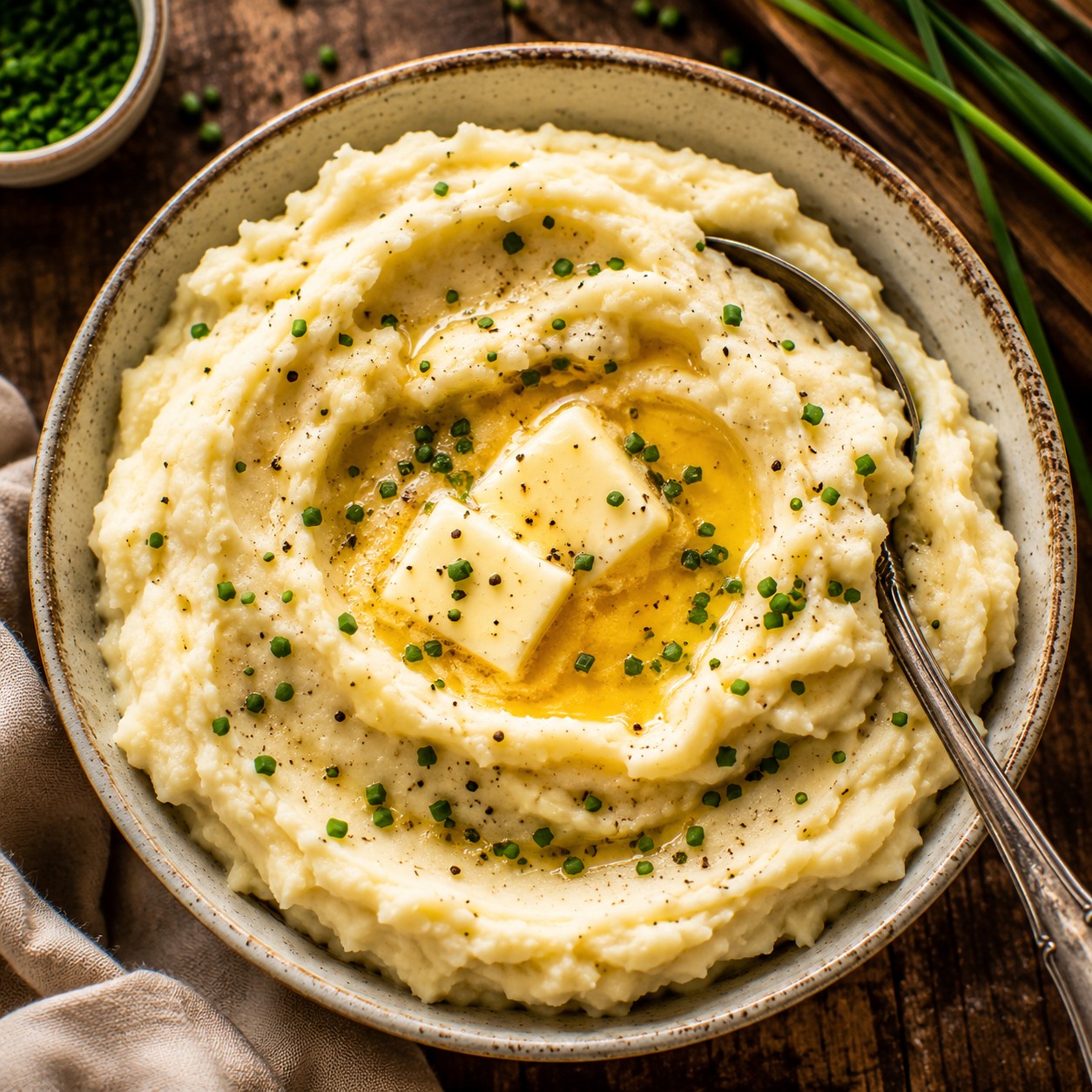
This mashed potatoes recipe exists because the dish has exactly two failure modes — gluey and gummy from overworking the starch, or bland and thin from underseasoning and cold dairy — and both are entirely avoidable once you know which tool and which temperature actually matter.
The tool matters more than the technique
A ricer or food mill processes each potato piece once, gently, which is why restaurant mashed potatoes are consistently lighter than home versions made in a food processor or stand mixer. Those appliances are fast, but speed is the problem: they beat potato starch until it turns elastic and paste-like, which is the entire mechanism behind gluey mashed potatoes. A hand masher works too, if you don’t have a ricer — it just takes a little more effort and won’t get quite as silky-smooth.
Warm dairy, folded in, not beaten
Cold milk and butter shock the hot potato and make it seize up rather than absorb smoothly. Warming the dairy first, then folding it in gradually rather than beating it, keeps the texture creamy instead of tight. This is a small step that a lot of recipes skip, and it’s a noticeable difference in the final texture.
Season the water, not just the bowl
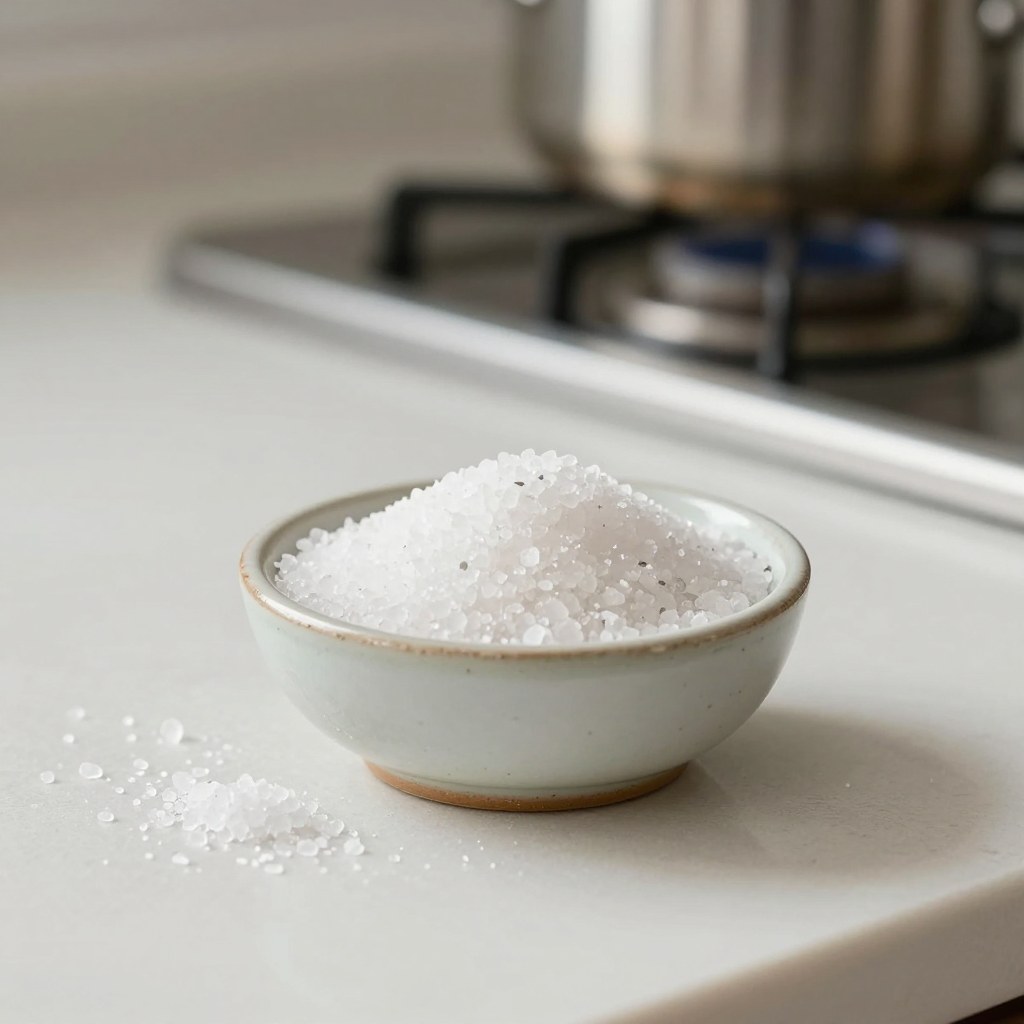
Salting only at the end means the potato itself stays bland under a layer of salty dairy. Salting the cooking water lets the potato absorb seasoning as it cooks, which is the difference between mashed potatoes that taste seasoned all the way through and ones that just taste like butter on top of starch.

Tips & variations
- Warm the milk and cream before adding them — cold dairy shocks the potatoes and makes it harder to get a smooth, silky texture no matter how much you mash.
- A ricer or food mill gives the lightest, fluffiest texture because it processes the potato only once, gently. A food processor or stand mixer beats the starch molecules until they turn elastic and gluey — the single most common way mashed potatoes go wrong.
- Yukon Golds strike the best balance of starchiness and creaminess for mashing. Russets work too and mash up fluffier, but need slightly more dairy to stay from drying out.
- Salt the cooking water generously — it's the only chance the potato itself has to actually taste seasoned, rather than just the dairy on top of it.
Creamy Mashed Potatoes Recipe (Never Gluey or Bland) — Recipe Card
Ingredients
For the potatoes
Instructions
- Place the potato chunks in a large pot and cover with cold water by about an inch. Add 1 tablespoon salt. Bring to a boil, then reduce to a simmer and cook until a knife slides in with no resistance, about 15-18 minutes.
- While the potatoes cook, warm the milk, cream, and butter together in a small saucepan over low heat (or in the microwave) until the butter is melted and the mixture is hot but not boiling. Set aside.
- Drain the potatoes well and return them to the hot, empty pot for a minute over low heat, shaking gently, to steam off excess moisture.
- Pass the potatoes through a ricer or food mill back into the pot, or mash by hand with a potato masher until no lumps remain. Avoid a food processor or hand mixer — both overwork the starch and turn potatoes gluey.
- Pour in the warm dairy mixture gradually, folding it in with a spatula rather than beating, until the potatoes reach your preferred consistency. Season with the remaining salt and white pepper, tasting as you go.
- Serve immediately, or keep warm in a covered pot over the lowest possible heat, stirring occasionally, for up to 30 minutes.
Estimated nutrition per 1 cup (of 6), estimate only : ~310 calories. This is a rough estimate for planning, not a substitute for exact dietary tracking.
Frequently asked questions
Why did my mashed potatoes turn out gluey?
Almost always overmixing. Potato starch turns elastic and paste-like when it's agitated too much, which is exactly what a food processor or stand mixer does. Switch to a ricer, food mill, or hand masher and fold in the dairy gently instead of beating it.
Can I make mashed potatoes ahead of time?
Yes — make them up to a day ahead, then reheat gently in a saucepan over low heat with a splash of extra warm milk or cream, stirring frequently. A slow cooker on the 'warm' setting also works well for holding them for a few hours.
Should I peel the potatoes before or after boiling?
Peel before boiling and cut into even chunks — this cooks the potato evenly and lets you drain and rice it while it's still hot, which matters for texture. Boiling whole and peeling after is slower and harder to do safely while the potatoes are hot enough to mash well.
How we choose
This recipe is research-led, not a claim of hands-on laboratory testing. We compare public product specifications, recurring patterns in buyer feedback, and the measurements that matter most for a real small-kitchen constraint. Recommendations are organized by who each option fits, what to measure, and when to skip it—not by commission rate.
Last reviewed: July 8, 2026