
How to Enrich an Indoor Cat in a Small Apartment
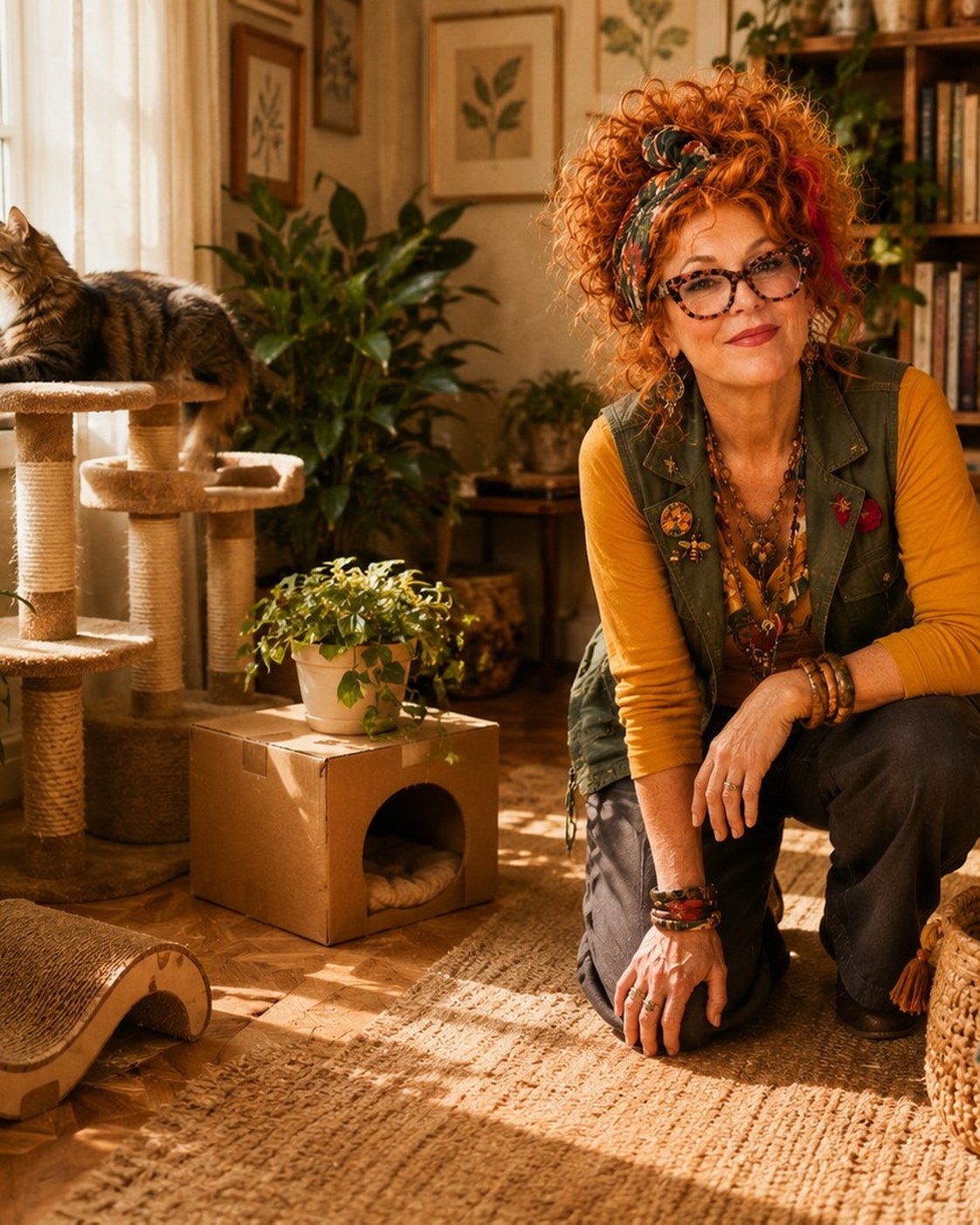
Small-space cat enrichment works best as a route, not a pile. A cat can move from a scratcher to a window view, hide, climb, play briefly, and settle without the apartment holding six towers and a plastic tunnel in every doorway. The system should reflect the cat’s preferences and preserve stable, safe household paths.
Enrich an indoor cat in a small apartment by creating a compact route: one stable vertical option, one useful window view, a scratching surface, a quiet hideaway, and short interactive play sessions. Rotate a small set of inspected toys instead of leaving everything out. Match heights, openings, and jump gaps to the cat's size and mobility.
Map a safe route instead of counting toys
Draw the cat’s current path between sleeping area, window, feeding zone, litter box, and social spaces. Measure platforms, sill depth, jump gaps, door swings, cords, blind loops, and the floor area of every proposed item. Preserve at least one clear human walkway and one easy cat retreat.
1. Start with observation
Notice whether the cat seeks height, enclosed spaces, warm windows, scratching, chasing, or quiet proximity. Preference—not the trendiest product—should shape the setup. Do not force a cat onto a new platform.
2. Add one stable vertical station
Use a properly sized tree, shelf system installed as instructed, or lower multi-level structure. Confirm a wide stable base or required restraint. Compare appropriate options in the small-apartment cat-tree guide.
3. Make one window view usable
Clear a safe sill or install a compatible perch according to the manufacturer. Secure blind cords, check screens and glass, and create an easy approach. A window view is not useful when the cat must leap across unstable furniture.
4. Provide a scratching choice
Offer a stable vertical or horizontal scratcher near a place the cat already scratches or transitions between activities. The surface should not slide or tip. Replace worn components before staples, fragments, or unstable bases become exposed.
5. Keep a quiet hideaway
A cardboard box, covered bed, or open carrier can create retreat without a large footprint. Keep the entrance clear and avoid placing the hide beside loud appliances, high traffic, or a blocked exit.
6. Use short interactive play
Use species-appropriate toys under supervision, keep strings and wand toys stored when not in use, and end with a calm transition. This is general household enrichment, not behavioral treatment.
7. Rotate, inspect, and clean
Store most toys in one closed bin, bring out a few at a time, and inspect for loose pieces or frayed string. Wash food-contact or fabric items according to their instructions and remove damaged toys.
8. Preserve resting and bathroom access
Enrichment should never block litter, food, water, sleeping, or escape routes. The apartment remains a home, not an obstacle course.
Do not add an enrichment item if…
- It creates an unstable jump, fall path, or blocked exit.
- Required wall or window mounting cannot be completed safely.
- Strings, feathers, or small pieces would remain available unsupervised.
- The item duplicates a format the cat consistently ignores.
- A sudden behavior change is being treated as an organization problem instead of discussed with a veterinarian.
Use cat tree versus window perch when only one vertical option fits.
Frequently asked questions
How can I enrich a cat without much floor space?
Use vertical space, a secure window view, scratching surfaces, a hideaway, and short interactive play. Rotate a small number of items instead of keeping every toy out at once.
Does every indoor cat need a tall cat tree?
No. Some cats prefer lower platforms, enclosed spaces, or a window perch. Choose from the cat’s size, mobility, observed preferences, and the apartment’s stable placement options.
How often should cat toys be rotated?
Rotate when interest drops and when the household can inspect and clean the items. There is no universal calendar. Keep a small active set and store the rest so each return feels different.
What if a cat suddenly stops playing or changes behavior?
A sudden or concerning behavior change is not something to diagnose with enrichment products. Contact a veterinarian for guidance rather than assuming the cat needs a different toy or setup.
Winnie’s take: The apartment does not need to become a feline theme park. It needs a route with a view, a scratch, a hide, a little drama, and somewhere to nap after all that strenuous supervising.
How we choose
This how to is research-led, not a claim of hands-on laboratory testing. We compare public product specifications, recurring patterns in buyer feedback, and the measurements that matter most for a real small-space pet-care constraint. Recommendations are organized by who each option fits, what to measure, and when to skip it—not by commission rate.
Last reviewed: July 11, 2026