
How to Maximize Small Kitchen Cabinet Space

Small kitchen cabinets usually don’t need more stuff shoved inside them. They need fewer stacks, better vertical separation, and a clear job for each shelf. The fastest way to maximize cabinet space is to stop stacking unlike items together — plates with bowls, pans with lids, appliances with food, and “miscellaneous” with absolutely everything.
To maximize small kitchen cabinet space, divide each cabinet by job: dishes, cookware, lids, appliances, food, or cleaning supplies. Add shelf risers for plates and bowls, vertical racks for pans and baking sheets, lid holders for loose tops, and pull-out trays for deep lower cabinets. Avoid organizers that add bulk without fixing the actual stack.
A cabinet isn’t “organized” just because the door closes. If opening it requires one hand to catch a falling pot lid and the other to apologize to the mixing bowl, the cabinet is filing a complaint. The goal isn’t perfection — it’s being able to take out one thing without starting a cookware avalanche.
Why your shelves feel smaller than they are
Your shelves have height but not usable height, pans and lids behave badly together, and deep lower cabinets hide everything in the back where it’s functionally gone until a deep clean rediscovers it.
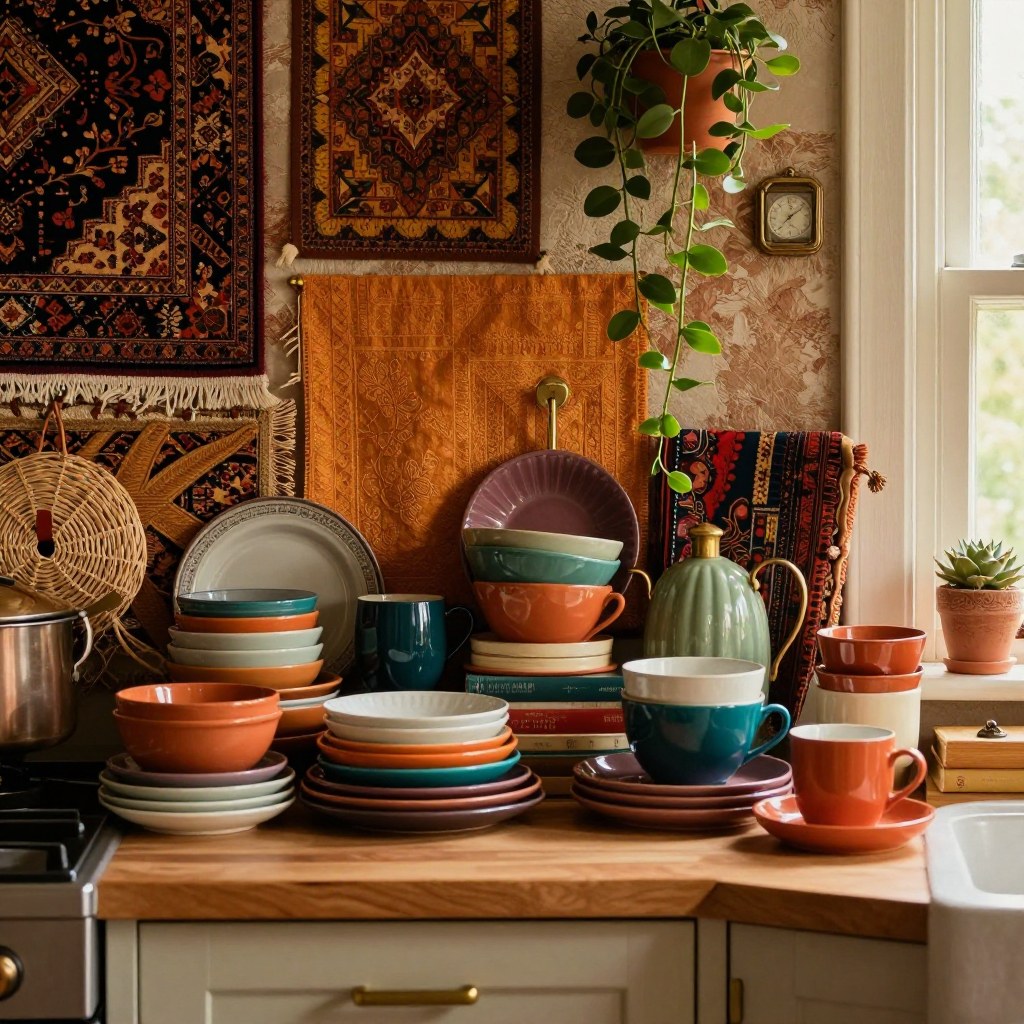
Measure the cabinet and the object causing the problem
Before buying cabinet organizers, measure the inside width, depth, shelf height, and door clearance of the cabinet you want to fix. Then measure the item actually causing the problem — pan diameter, lid height, plate stack height, appliance width, or cutting-board depth. The right organizer fits the cabinet and the object, not just what looks useful in a product photo.
Fixing it, cabinet by cabinet
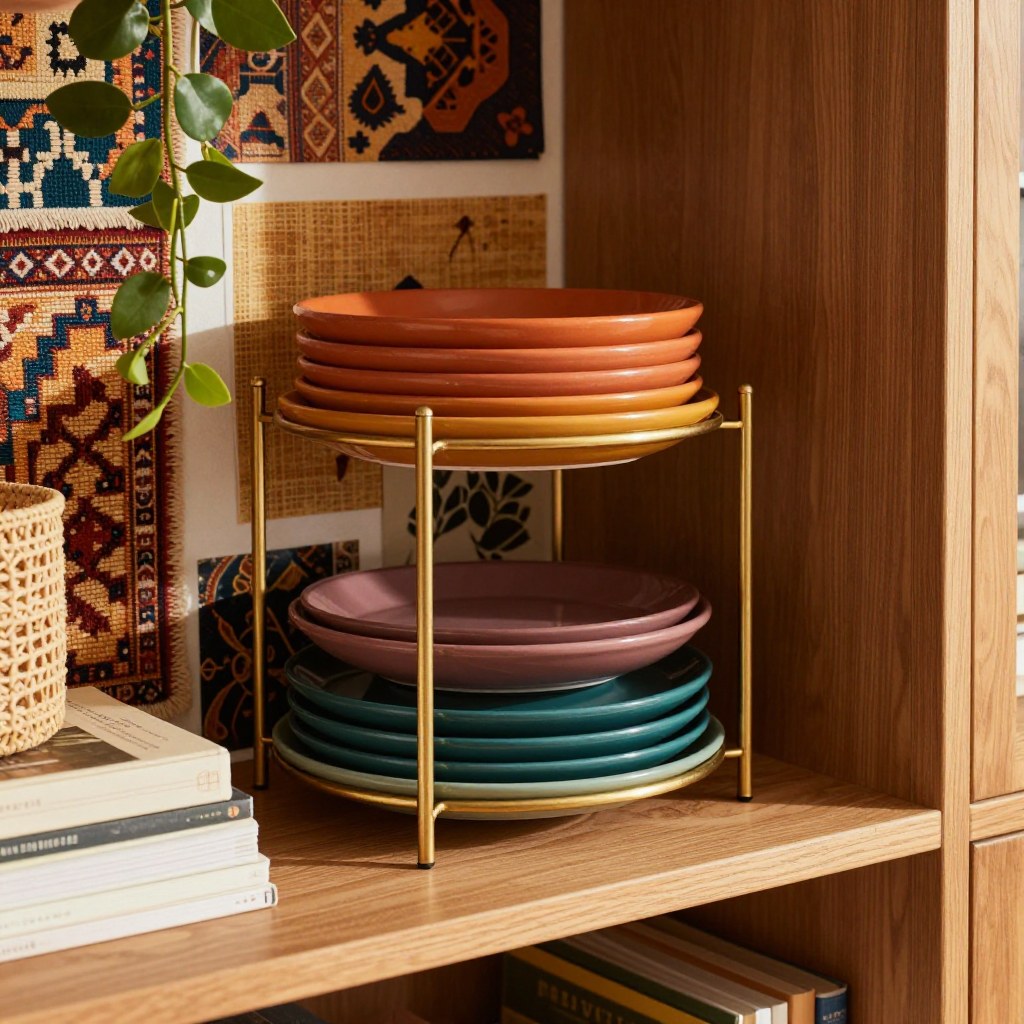
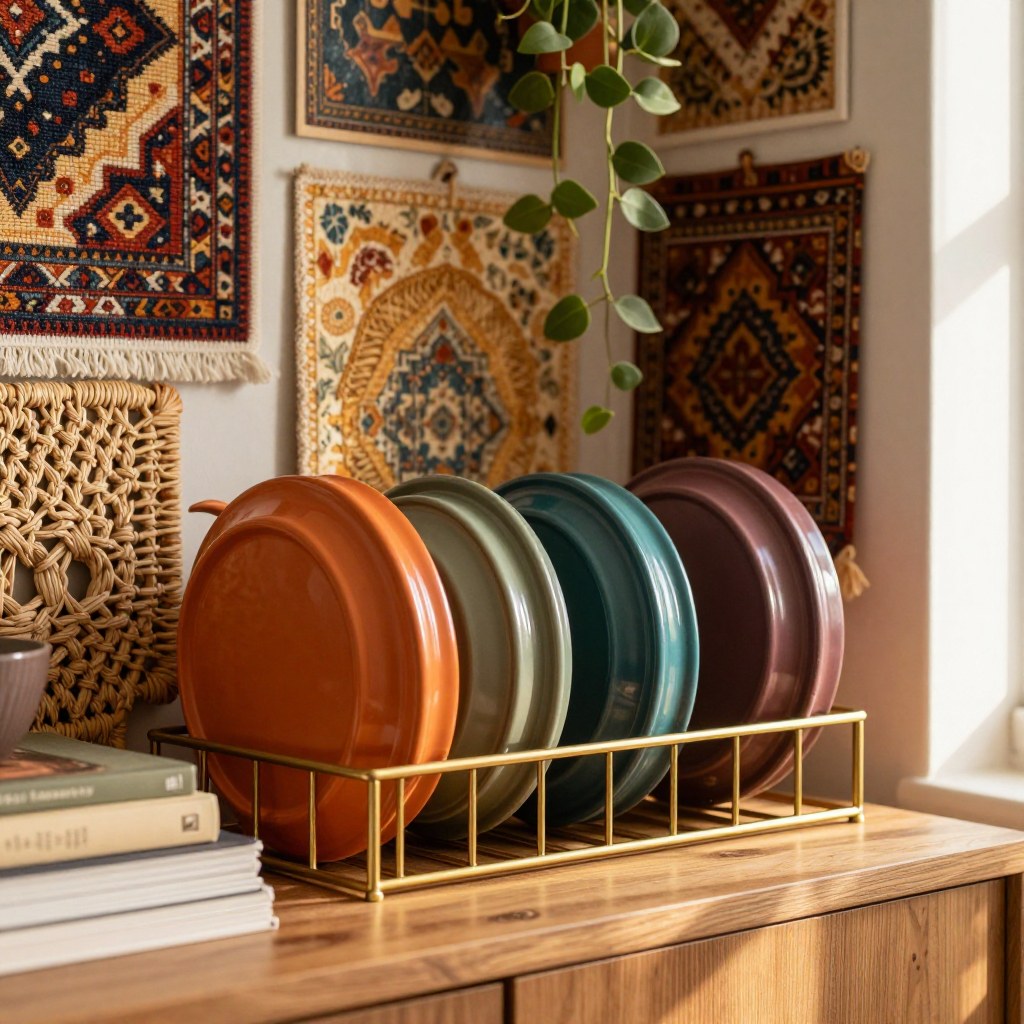
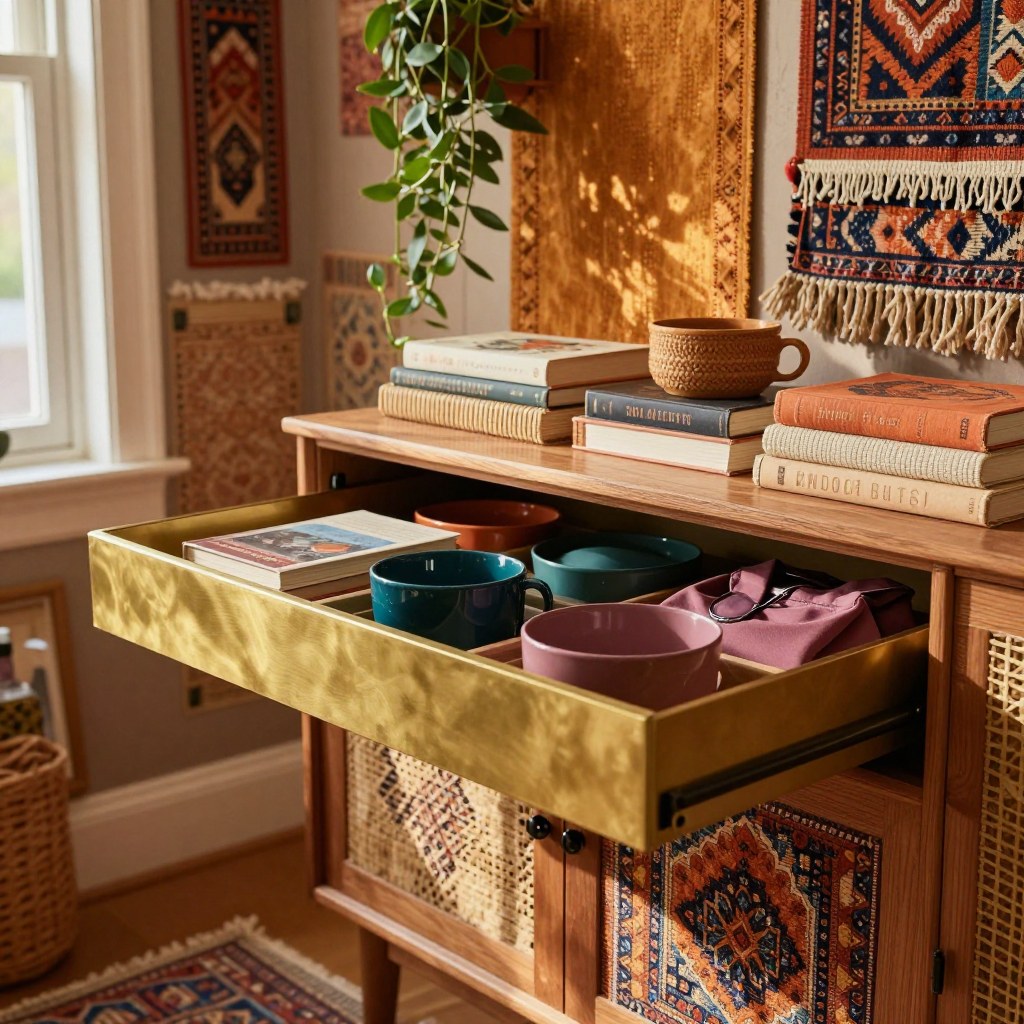
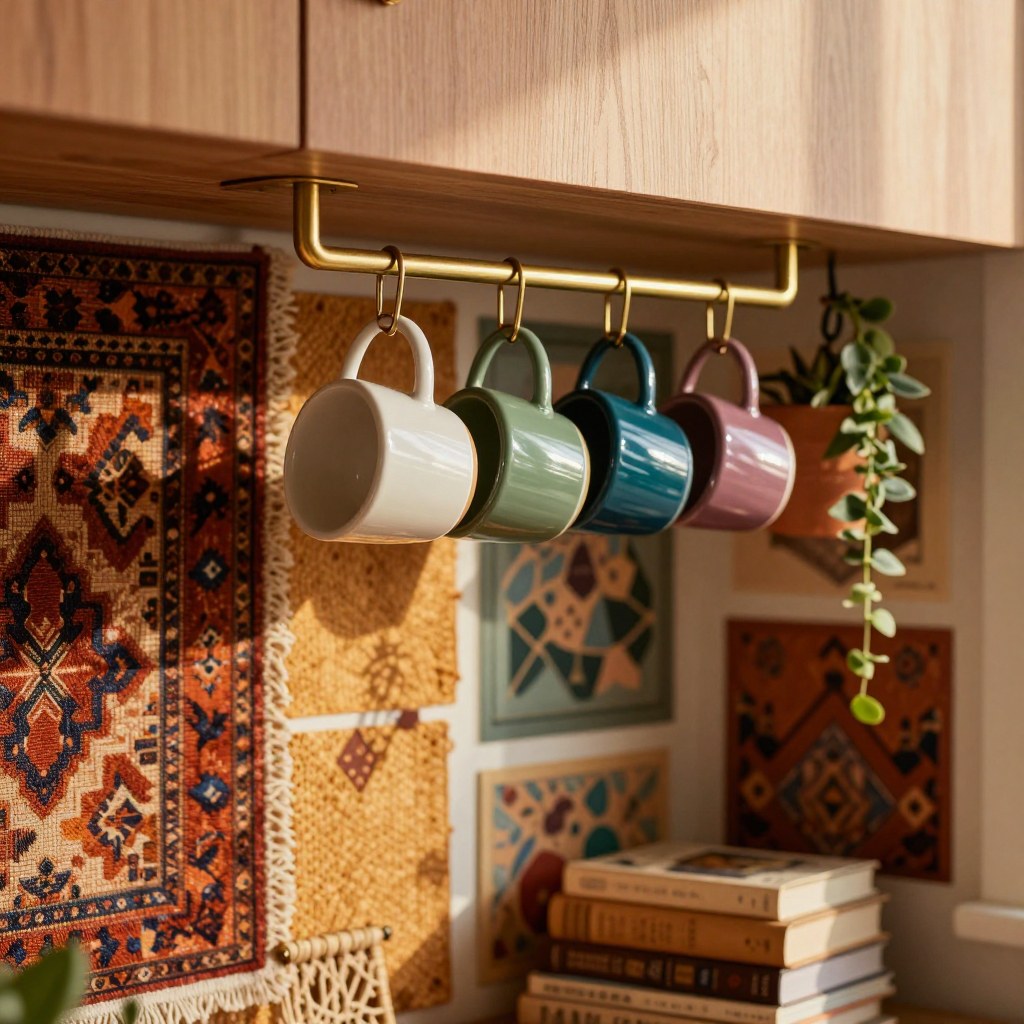
Empty one cabinet at a time rather than trying to overhaul the whole kitchen in an afternoon, and give every cabinet a single main job instead of letting it stay a catch-all. Add shelf risers for dishes so plates and bowls stop competing for the same flat shelf. Stop stacking pans flat if the stack is actively fighting you — a vertical pan rack turns a pile into something you can pull one piece from without disturbing the rest. Give lids their own address with a dedicated rack instead of letting them slide loose behind the pots. Store baking sheets and cutting boards vertically rather than flat, since flat storage is where they get buried. Use pull-out trays only where reaching is the actual problem — a shallow cabinet doesn’t need one. And stop letting mugs and cups steal shelf space meant for dishes; a hook rail or riser gets them out of the way.
Skip a cabinet organizer if…
- You haven’t removed duplicates, measured the cabinet, or decided what the cabinet is supposed to hold yet.
- It blocks the door from closing or steals more usable space than it creates.
- It requires drilling you can’t do, or makes an everyday item harder to reach than it already was.
A cabinet should pass the one-hand test: can you remove the item you need with one hand, without unloading three unrelated things first?
See Best Collapsible Kitchen Tools for Small Spaces for fold-flat tools that free up cabinet space on their own, and the Kitchen hub for the full range of picks.
Winnie’s take: The one-hand test changed how I organize every cabinet I touch. If I need both hands and a small prayer to get the colander out, the cabinet isn’t storage — it’s a trap I set for myself on a Tuesday.
How we choose
This how to is research-led, not a claim of hands-on laboratory testing. We compare public product specifications, recurring patterns in buyer feedback, and the measurements that matter most for a real small-kitchen constraint. Recommendations are organized by who each option fits, what to measure, and when to skip it—not by commission rate.
Last reviewed: July 8, 2026