
How to Cook Full Meals in a Tiny Kitchen

Cooking a full meal in a tiny kitchen is less about having a bigger counter and more about controlling the sequence. You need one prep zone, one cooking zone, one landing zone, and a plan that keeps dirty tools from multiplying. The easiest full meals are built around one pan, one pot, one sheet pan, or one appliance doing most of the work.
To cook full meals in a tiny kitchen, choose recipes that use one main cooking vessel, prep ingredients before turning on heat, and keep one clear landing zone for hot pans or finished food. Use a lidded sauté pan, quarter-sheet pan, compact rice cooker, or small multi-cooker only if it actually reduces dishes and counter traffic.
A tiny kitchen can cook a real dinner. What it can’t do is host twelve bowls, three cutting boards, a hot skillet, and your optimism all at once. The trick is choreography: prep first, cook in stages, park hot things safely, and make every tool on the counter explain why it’s there.
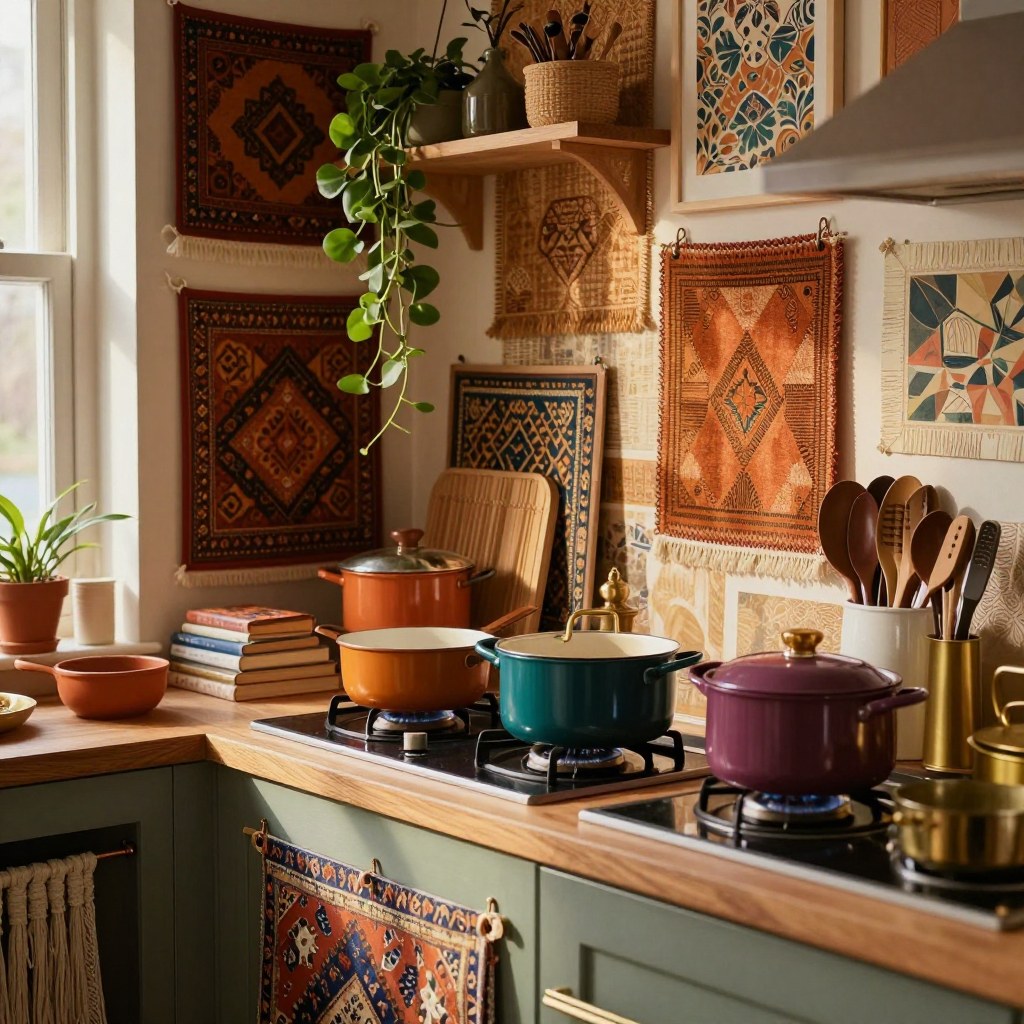
Identify your three working zones first
Before planning full meals in a tiny kitchen, identify your three working zones: prep space, cooking space, and landing space. You need one clear cutting area, one heat-safe place to set food down, and enough sink access to clean as you go. If you can’t point to all three right now, that’s the actual problem to solve before buying a single new tool.
The system that makes it work
Pick the meal format before the recipe — sheet-pan, skillet, one-pot, or grain bowl — since the format decides how many vessels are in play. Choose one main cooking vessel and build the meal around it instead of reaching for a second pan out of habit. Prep in batches, not all at once, so the counter never has to hold every ingredient simultaneously. Create a landing zone — a trivet, an empty plate, a folded towel — before heat goes on, not after a hot pan is already looking for somewhere to go. Use the sink as a temporary work zone carefully, since it’s tempting but easily becomes its own clutter problem. And cook the slowest thing first, so faster components finish right as the rest of the meal is ready.
Reliable tiny-kitchen formulas worth keeping in rotation: a grain bowl dinner, a sheet-pan dinner, a skillet dinner, soup plus something crisp, and taco or wrap night. All five use one main vessel and a short, predictable list of tools.
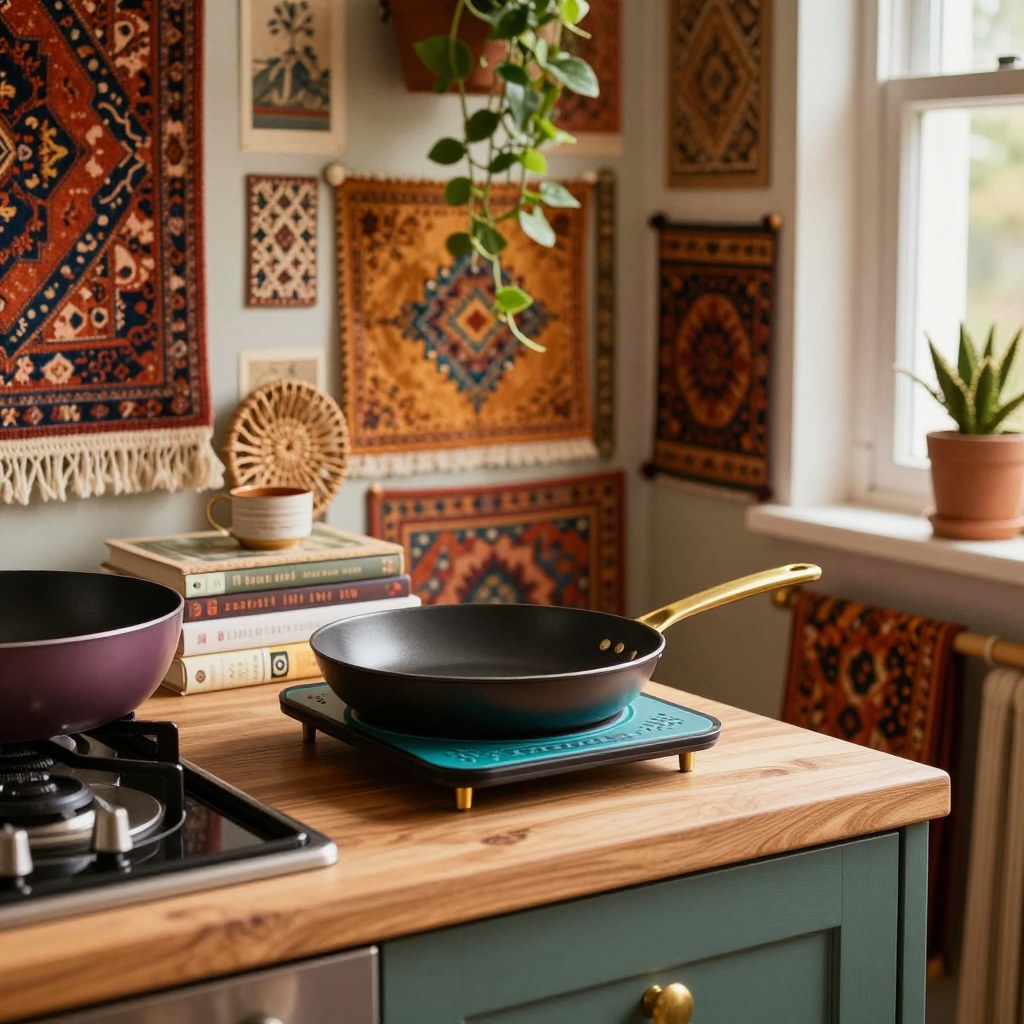

Skip a new cooking tool if…
- Your real issue is workflow, not equipment — another gadget won’t fix a sequencing problem.
- It needs permanent counter space you don’t have to spare.
- It’s a specialty tool that only helps with one specific recipe you make occasionally.
A full meal in a tiny kitchen needs a script, not a bigger stage. Know what cooks first, where the hot pan lands, what gets washed early, and which tool gets to be the star.
See Best Compact Air Fryers for Small Kitchens and Best Multi-Function Kitchen Gadgets for Small Kitchens for tools that genuinely reduce the number of vessels a full meal needs.
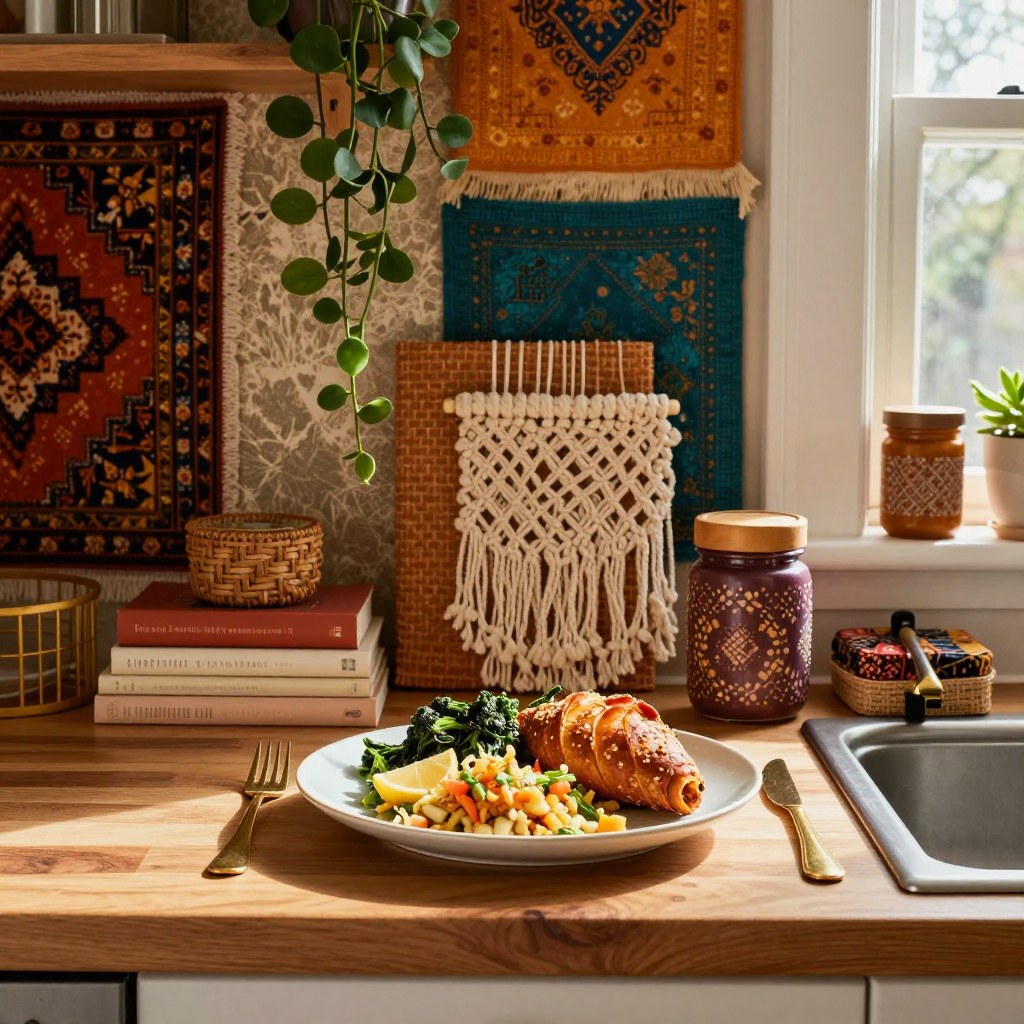
Winnie’s take: The landing zone is the step everyone skips and the one that actually prevents disasters. A hot pan with nowhere planned to go ends up on a cutting board, a towel, or occasionally the floor. Decide where it lands before you turn on the burner, not while you’re holding it.
How we choose
This how to is research-led, not a claim of hands-on laboratory testing. We compare public product specifications, recurring patterns in buyer feedback, and the measurements that matter most for a real small-kitchen constraint. Recommendations are organized by who each option fits, what to measure, and when to skip it—not by commission rate.
Last reviewed: July 8, 2026