
Best Desk Organizers for a Small Desk (2026): 3 Picks
Somewhere, Winnie is rearranging a shelf that was already fine.
Best for, at a glance
| Option | Best for | Main trade-off |
|---|---|---|
| Marbrasse 360-Degree Rotating Pen Holder (5 Compartments) | Best for grabbing things without standing up | Compartments are open-top — nothing stops a nudged unit from spilling if it's knocked over |
| SIMPLE HOUSEWARE Mesh Desk Organizer (Sliding Drawer, Double Tray, 5 Sections) | Best for mixed supplies, not just pens | Taller profile than a single-tier organizer — can visually crowd a genuinely tiny desk |
| mDesign Plastic Desk Organizer with Pull-Out Drawer (2-Pack) | Best for stacking and modular expansion | Plastic construction is lighter-duty than the steel-mesh option |
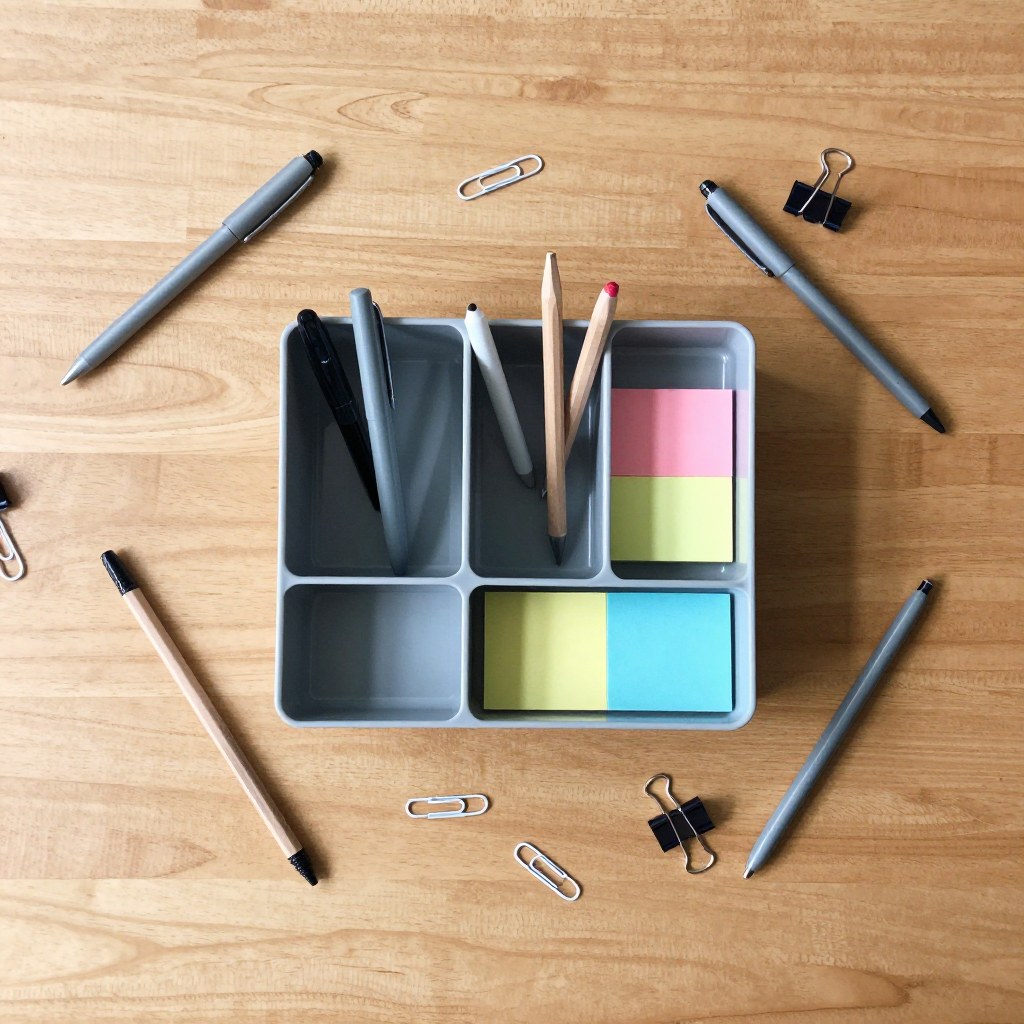
A small desk doesn’t have room for a junk drawer’s worth of loose pens, sticky notes, and paper clips spread across its surface — every one of those items either has a defined spot or it becomes part of the clutter the desk is already fighting. A desk organizer’s whole job is turning “loose items scattered across the surface” into “one contained footprint,” and on a small desk, the footprint itself matters as much as the organizing.
For a small desk holding mostly pens and small supplies, the Marbrasse rotating organizer's round base is the smallest footprint here. Need to organize mixed supplies (paper, clips, mail) too, the SIMPLE HOUSEWARE mesh organizer stacks vertically instead of spreading out. Want to start small and grow only if needed, the mDesign 2-pack lets you add the second unit later instead of committing upfront.
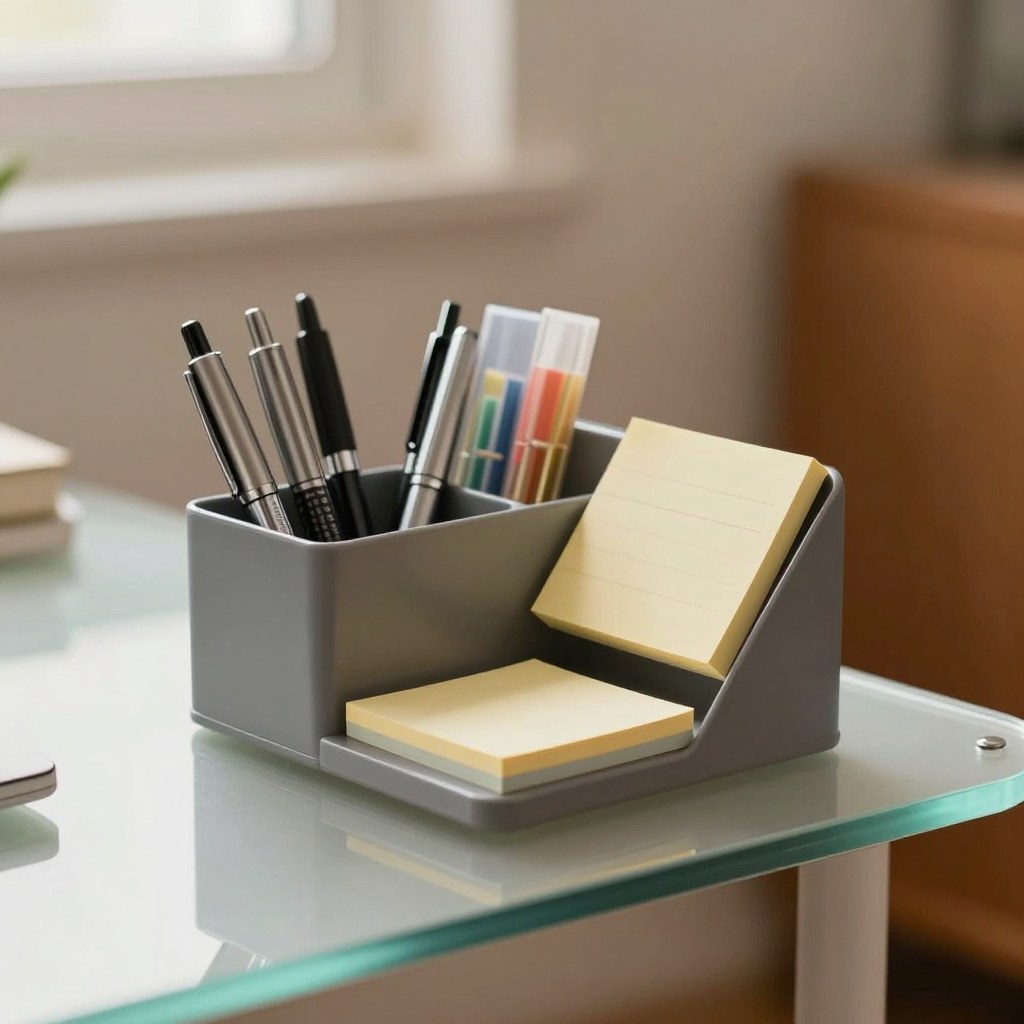
Measure the organizer's actual footprint against your desk's clear surface first
Before ordering, measure how much desk surface is actually free once your monitor, keyboard, and mouse are in their working positions — that’s the real space budget, not the desk’s total surface area. Then check the organizer’s footprint (not its capacity) against that number. An organizer that holds a lot but eats too much of the remaining desk surface has just moved the space problem from “scattered supplies” to “one large object,” which isn’t automatically progress on a genuinely small desk.
Why footprint matters more than capacity here
It’s tempting to pick the organizer with the most compartments or the largest capacity, but on a small desk the real constraint is almost always surface area, not storage volume. A tall, narrow organizer that stacks vertically (like the mesh unit here) gives up some height in exchange for a smaller footprint — usually the right trade on a desk where every square inch of remaining surface is doing real work.
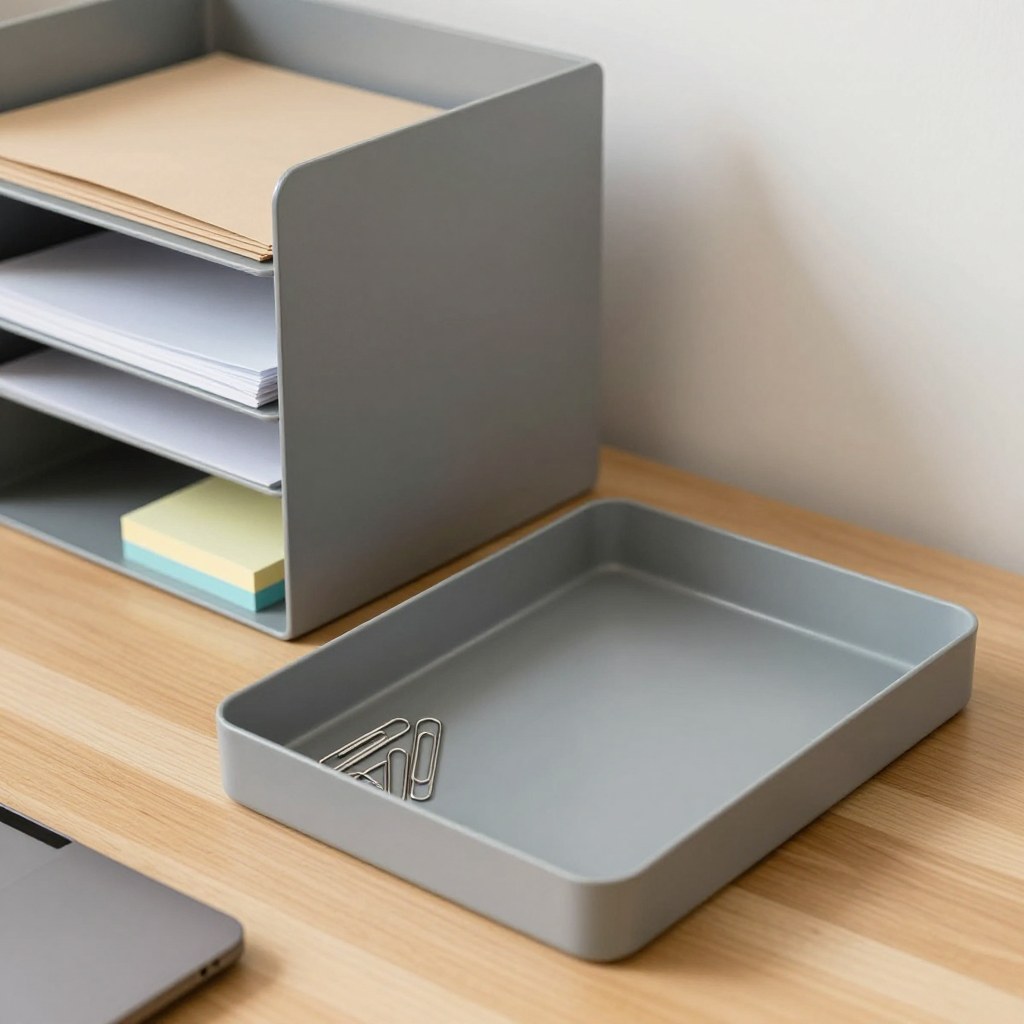
Don't buy a desk organizer if…
- You haven’t measured your desk’s actual clear surface area once the monitor, keyboard, and mouse are in place.
- You’re buying capacity you don’t need — an organizer sized for a shared office supply closet is oversized for one person’s daily pens and notes.
- The items you’d put in it are used less than weekly — that’s better served by a drawer or shelf out of daily sightline, not a desktop organizer.
- You already have a working system (even an informal one) that isn’t actually causing clutter — an organizer solves a real footprint/visibility problem, it isn’t required just because it exists as a product category.
How to choose between these three
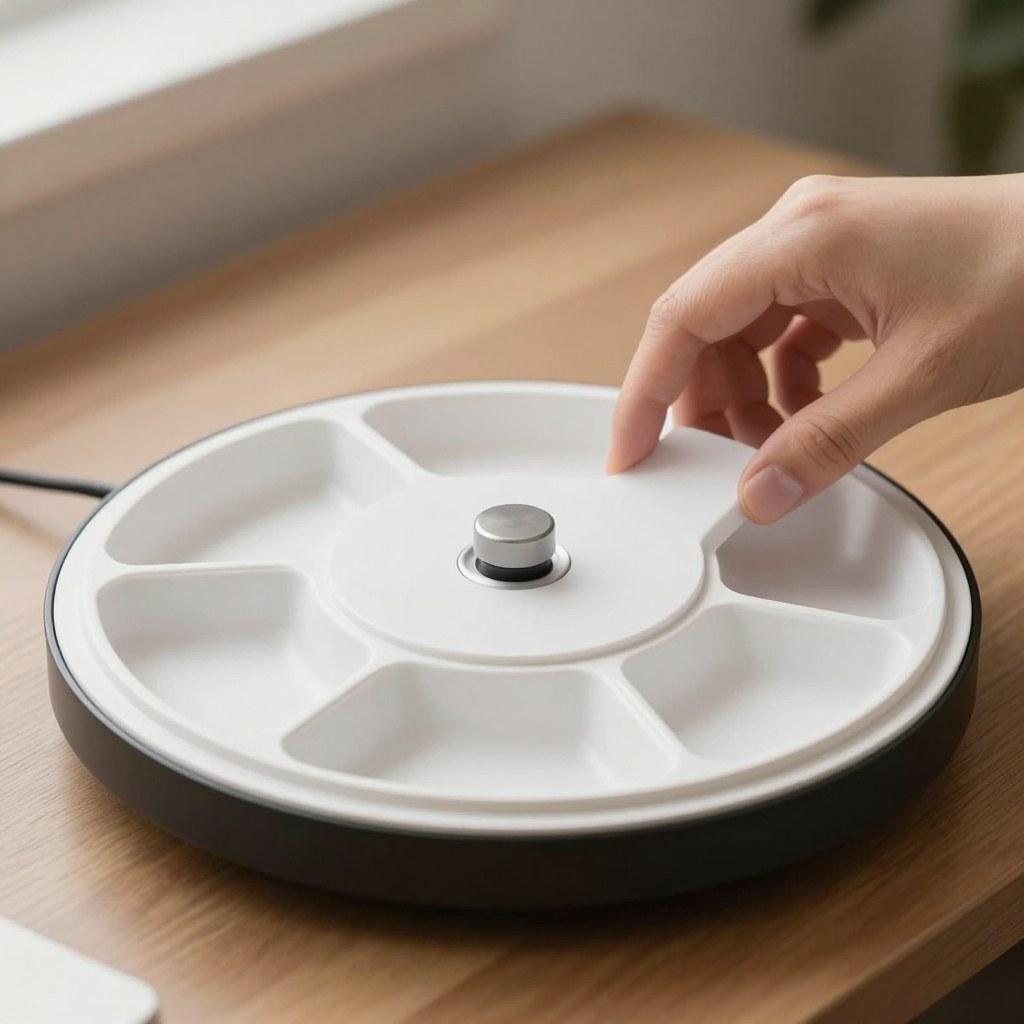
- Mostly pens and small items, tight corner spot: the Marbrasse rotating organizer’s round base fits corners a rectangular unit can’t.
- Mixed supplies — paper, clips, mail, not just pens: the SIMPLE HOUSEWARE mesh unit’s drawer-plus-tray-plus-sections combo covers more categories in one footprint.
- Not sure how much you’ll actually need: the mDesign 2-pack lets you start with one and add the second only if it earns its spot.
- Visual clutter is the actual complaint, not lack of storage: any of the three works — the deciding factor becomes which footprint fits your specific desk corner.
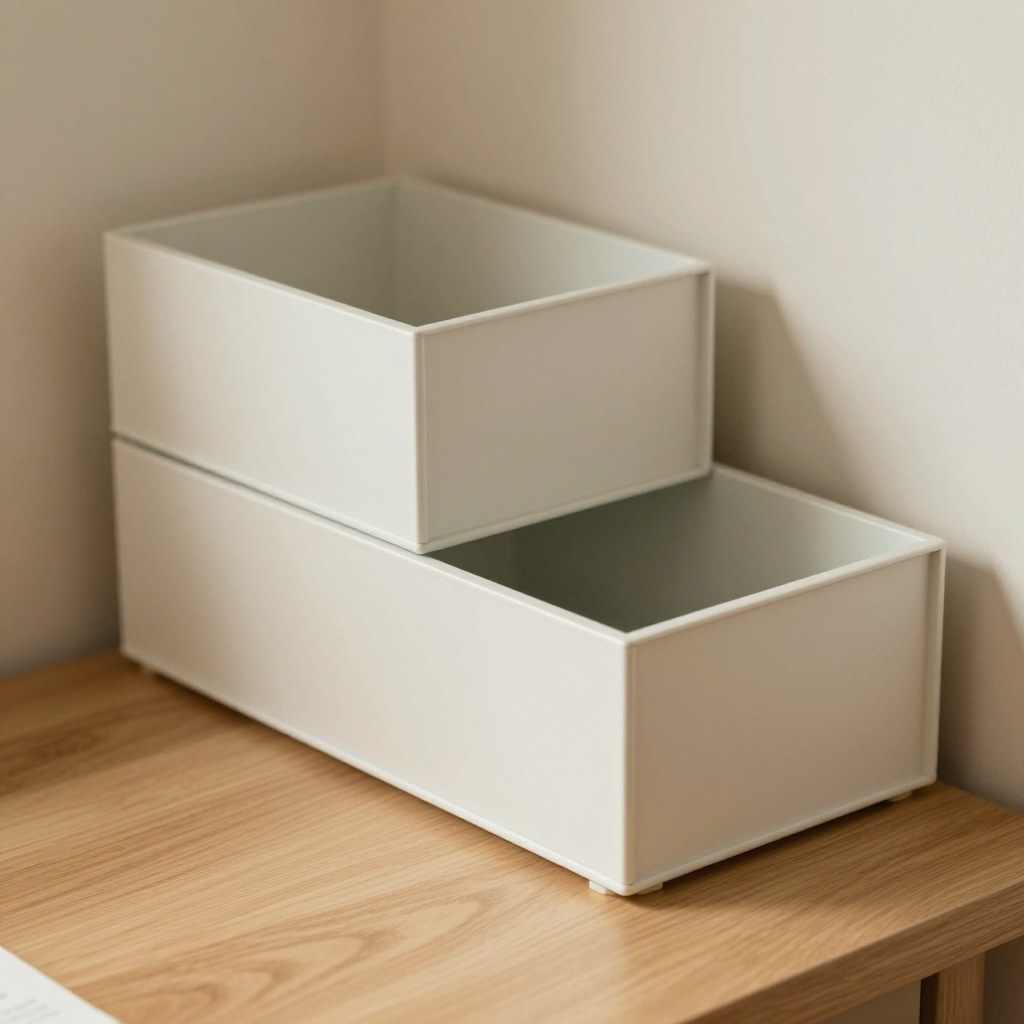
Quick comparison
| Organizer | Best for | Footprint | Storage type |
|---|---|---|---|
| Marbrasse Rotating (5-compartment) | Pens/small items, corner spots | Small, round | Open compartments |
| SIMPLE HOUSEWARE Mesh | Mixed supplies | Taller, vertical stack | Drawer + tray + sections |
| mDesign 2-Pack | Starting small, modular growth | Small per unit, stackable | Bin + pull-out drawer |
Frequently asked questions
Does a desk organizer actually save desk space, or just relocate clutter? It depends on whether it replaces multiple loose piles with one contained footprint, or just becomes a new pile itself. An organizer only helps if everything that goes in it would otherwise be spread loose across the desk — if it just becomes one more object sitting on top of existing clutter, it hasn’t solved anything.
Should I get one large organizer or a few small ones? On a genuinely small desk, one compact organizer that consolidates several categories (pens, sticky notes, clips) usually beats several small single-purpose ones, purely on footprint. The mDesign 2-pack is the exception — its whole design lets you start with one and only add the second if you actually need it.
What should NOT go in a desk organizer? Anything you use less than weekly. A desk organizer’s value is fast access to daily-use items; burying rarely-used supplies in it just relocates clutter from the desk surface into a container you still have to dig through.
Prices and availability change constantly, so we don’t quote figures here — tap through to see the current price on Amazon.
Winnie’s take: An organizer earns its footprint or it doesn’t. If everything inside it is stuff you touch daily, it’s doing its job. If it’s where things go to be forgotten, you’ve just built a smaller, tidier junk drawer.
Product recommendations
Marbrasse 360-Degree Rotating Pen Holder (5 Compartments)
Why this fits: A round, rotating caddy with 5 compartments — instead of reaching across the desk for a compartment on the far side, you spin the whole thing toward you. On a small desk where the organizer sits within arm's reach of everything anyway, this matters less for reach and more for keeping a single small footprint from turning into five separate piles.
Look for:
- Small round footprint takes up less desk area than a rectangular organizer with the same compartment count
- 360-degree rotation means no compartment is ever the 'far' one
- Available in several colors if it needs to match a desk setup
Skip if:
- Compartments are open-top — nothing stops a nudged unit from spilling if it's knocked over
- Best for pens/small supplies specifically, not for paper or larger office items
Small-space note: The round base is the real space-saver here — it fits corners and tight spots a rectangular organizer's square footprint can't.
View the current Amazon listing →Amazon retailer link. No Amazon commission is currently earned while our application is pending.
SIMPLE HOUSEWARE Mesh Desk Organizer (Sliding Drawer, Double Tray, 5 Sections)
Why this fits: A steel mesh organizer combining a sliding drawer, a double tray, and 5 upright sections in one stacked unit — built for a desk that needs to hold sticky notes, paper clips, and mail alongside pens, not just pens alone. The mesh construction keeps it visually lighter than a solid-sided organizer of the same capacity.
Look for:
- Combines drawer, tray, and upright storage in one footprint instead of three separate items
- Steel mesh construction feels sturdier than most plastic organizers at a similar size
- Vertical stacking uses desk height instead of spreading across the desk surface
Skip if:
- Taller profile than a single-tier organizer — can visually crowd a genuinely tiny desk
- Drawer capacity is shallow; not a substitute for real file/paper storage
Small-space note: Stacking vertically instead of spreading horizontally is the right trade on a small desk — it gives up some height for real desk-surface savings.
View the current Amazon listing →Amazon retailer link. No Amazon commission is currently earned while our application is pending.
mDesign Plastic Desk Organizer with Pull-Out Drawer (2-Pack)
Why this fits: A stackable bin-and-drawer combo sold as a 2-pack, designed to sit side by side or stacked depending on what the desk actually has room for. The 2-pack format is the real appeal for a small desk — buy one now, add the second later if the first genuinely earns its spot, instead of committing to a single large organizer upfront.
Look for:
- Sold as a 2-pack, so the footprint can grow only if it's actually needed
- Stackable design uses vertical space when horizontal desk space runs out
- Clear/black color option shows contents at a glance without opening the drawer
Skip if:
- Plastic construction is lighter-duty than the steel-mesh option
- Two small bins can end up less organized than one unit with defined compartments, if items aren't sorted deliberately
Small-space note: Buying one first and deciding later whether the second earns its spot is a genuinely useful small-desk strategy most single-unit organizers don't offer.
View the current Amazon listing →Amazon retailer link. No Amazon commission is currently earned while our application is pending.
How we choose
This roundup is research-led, not a claim of hands-on laboratory testing. We compare public product specifications, recurring patterns in buyer feedback, and the measurements that matter most for a real home-office constraint. Recommendations are organized by who each option fits, what to measure, and when to skip it—not by commission rate.
Products can change or disappear, so availability, specifications, and destination links should be rechecked during every scheduled refresh.
Last reviewed: July 14, 2026