
How to Rotate Seasonal Storage in a Small Garage
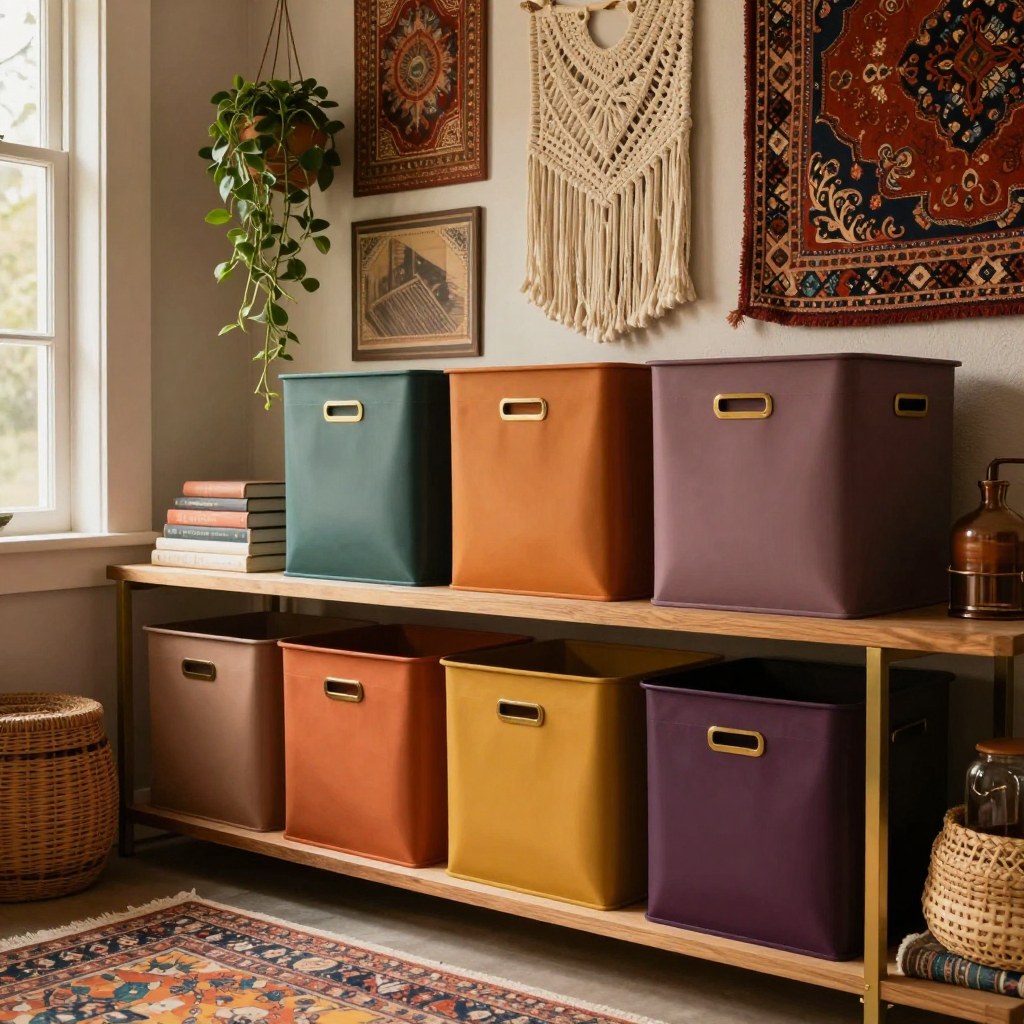
A genuinely small garage doesn’t have room to keep every seasonal item at easy-reach height year-round — holiday decor and summer gear competing for the same shelf space is a losing proposition. A twice-yearly rotation system solves this by keeping only what’s actually in season within arm’s reach, with everything else moved up and out of the way until it’s needed again.
Rotating seasonal storage in a small garage means swapping what's at easy-reach height twice a year — once for the holiday/winter season, once for spring/summer — so only current-season items occupy your best shelf space. Off-season items move to an overhead rack or the back of a deep shelf. Labeled, stackable bins (see our seasonal storage bins roundup) make the swap fast instead of a guessing game.
Step 1: Sort by season before you buy any bins
Before buying a matched bin set, sort what you’re actually storing into two piles: winter/holiday-season items and spring/summer-season items. This determines how many bins of each category you need and roughly how much shelf or rack space each pile requires — buying bins first and sorting later usually means mismatched sizes for what you actually own.
Skip a formal rotation system if…
- You only have a handful of seasonal items total — a single shelf without a formal swap schedule may already handle it.
- Your garage has enough spare shelf space that off-season items don’t actually compete with current-season access — the core problem this system solves may not exist for you.
- You’re not consistent enough to actually do a twice-yearly swap — an unused system that never gets rotated defeats the purpose and just becomes permanent clutter either way.
Step 2: Set two fixed rotation dates
Pick two dates — one heading into fall/winter, one heading into spring/summer — and treat them as fixed, not “whenever I get around to it.” A rotation system that doesn’t actually get rotated on schedule slowly turns into the same permanent, mismatched pile it was meant to replace.
Step 3: Move the outgoing season up, the incoming season down
At each rotation date, move the season that’s ending up to an overhead rack or the back of a deep shelf, and bring the incoming season’s bins down to easy-reach height. This is the core mechanic — only ever one season’s worth of bins occupies your best, most accessible space at any time.
Step 4: Label bins by season, not just contents
Label each bin with the season it belongs to, not just a generic contents description — “Winter — holiday decor” is faster to scan during a rotation swap than reading through a detailed inventory list on each bin. Clear bins (see our seasonal storage bins roundup) speed this up further by letting you visually confirm contents without reading a label at all.
Step 5: Reassess what’s actually worth storing at each rotation
Use each twice-yearly swap as a natural checkpoint to reassess whether everything in a given season’s bins is still worth keeping. Items that haven’t been used in a full year, or that no longer fit the household’s actual needs, are easier to identify and let go of during a scheduled rotation than at a random moment.
Frequently asked questions
How often should I actually rotate seasonal garage storage? Twice a year is enough for most households — once heading into the holiday/winter season, once heading into spring/summer. More frequent rotation is unnecessary work; less frequent means off-season items sit at easy-reach height for months, crowding out what you actually need.
What goes at easy-reach height versus on an overhead rack? Only the current season’s items belong at easy-reach height — a shelf or the lower section of a wall system. Everything out of season moves up to an overhead rack (see our overhead rack roundup) or the back of a deep shelf, since it won’t be touched again for months.
Do I need special bins for a rotation system, or will any storage bin work? Stackable, clearly labeled bins make the twice-yearly swap dramatically faster — see our seasonal storage bins roundup for options. A rotation system technically works with any bins, but mismatched or unlabeled containers turn a 20-minute swap into an afternoon of guessing what’s inside each one.
Winnie’s take: The fixed-date rule is the one people skip and then wonder why their “rotation system” quietly became a permanent pile by the second year. Pick two actual calendar dates, not “sometime in fall.”
How we choose
This how to is research-led, not a claim of hands-on laboratory testing. We compare public product specifications, recurring patterns in buyer feedback, and the measurements that matter most for a real home-office constraint. Recommendations are organized by who each option fits, what to measure, and when to skip it—not by commission rate.
Last reviewed: July 11, 2026