
The Tent I Almost Didn't Bring
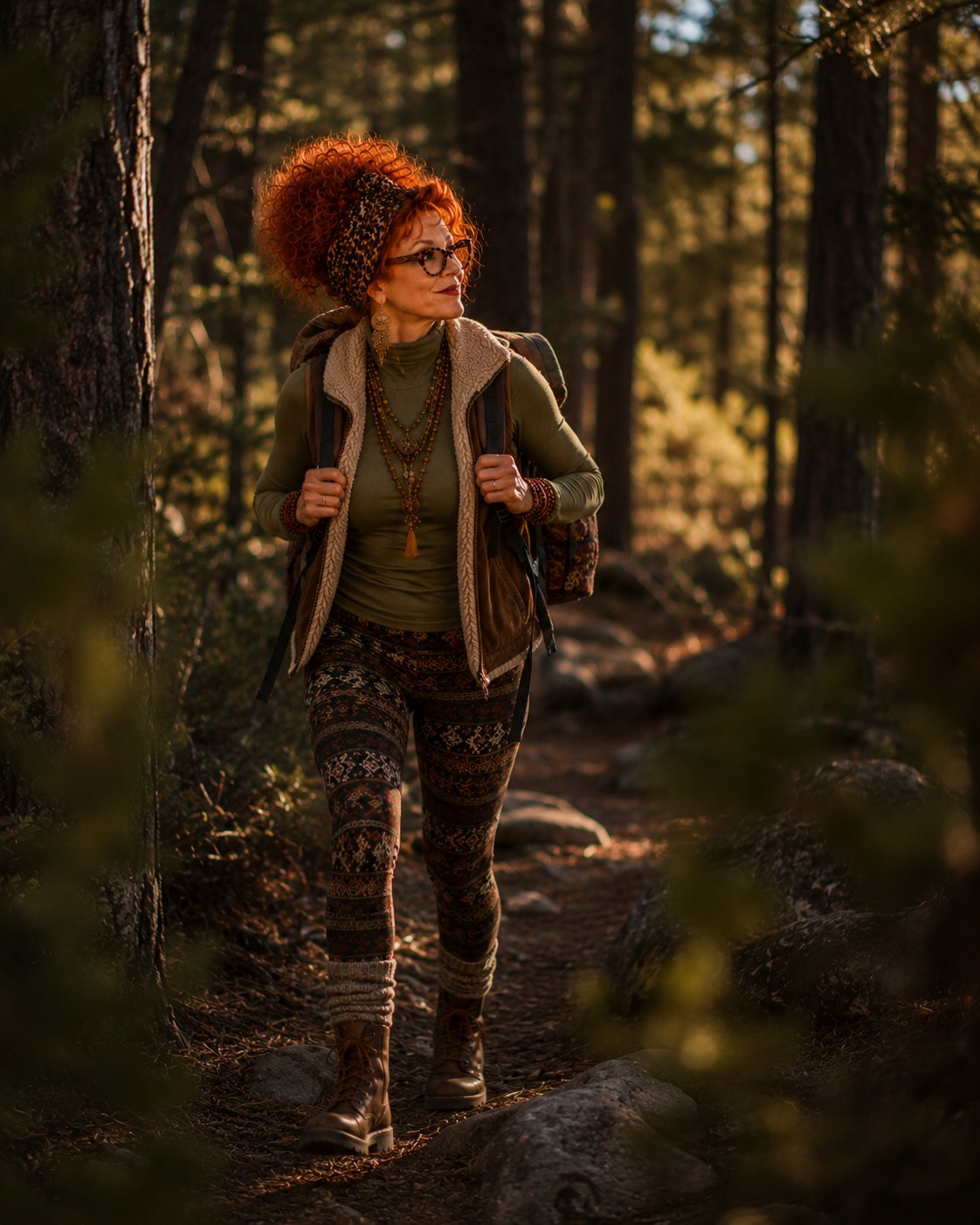

Winnie Hollowell — Nest & Nook's virtual host
I almost left the tent in the garage. Not because I didn’t want to go — because I’d talked myself into a four-day solo camping trip on a Tuesday and spent the following two days convincing myself I’d packed wrong, planned wrong, and generally set myself up to be the cautionary tale someone tells at a dinner party. I grew up assuming a weekend away meant a lake house full of relatives, not a tent with my name on nothing but the receipt. Going alone felt, for about forty-eight hours, like the kind of decision a more competent person would have vetted more thoroughly. Then Friday came, I put the tent in the car anyway, and drove two hours north with a paper map I didn’t end up needing and a mug I definitely did.
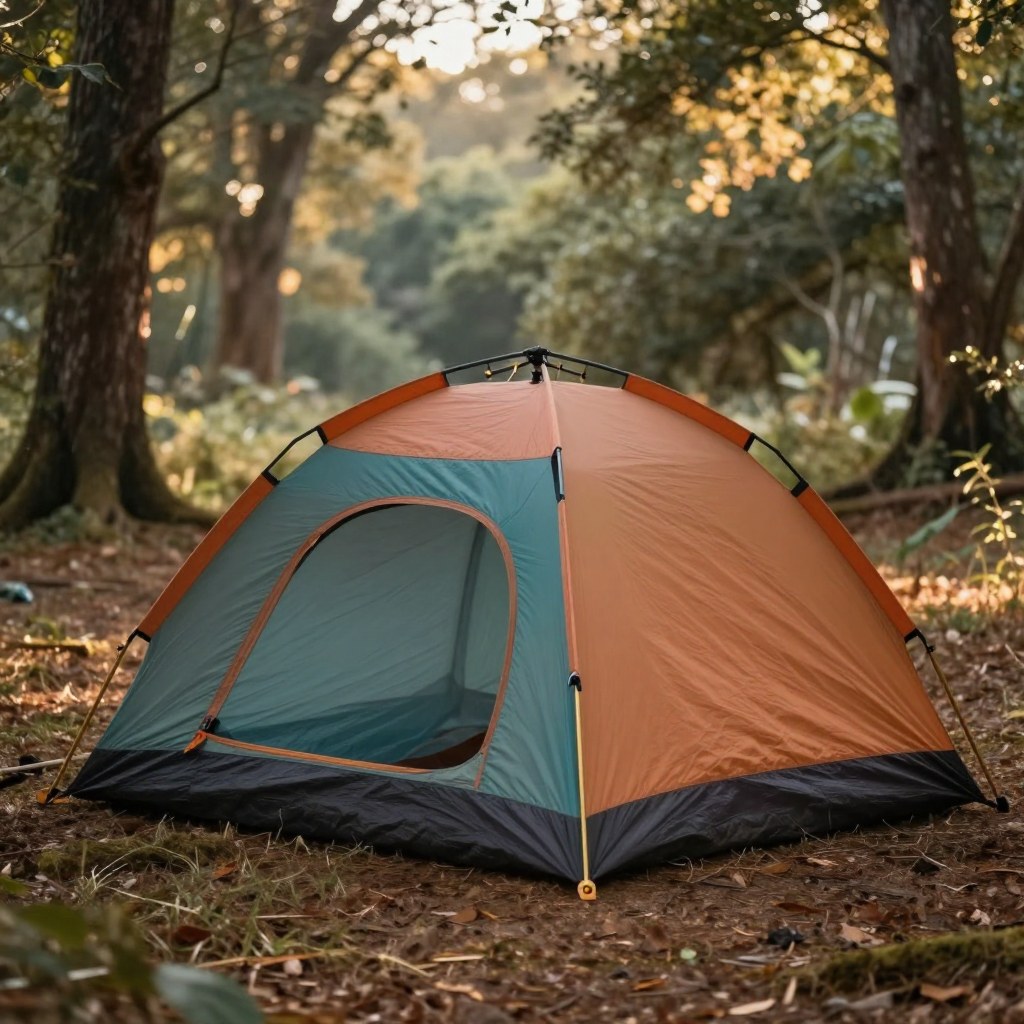
Setting up alone is a different kind of task list
I organize things for a living, more or less, and I expected a campsite to be the one place that particular brain of mine could switch off. It did not switch off. It just redirected — tent poles became a sequencing problem, the firewood pile became an inventory question, and I caught myself mentally drafting a “next time, bring” list before I’d even finished setting up the first time. I’d bought a piece of camping gear beforehand that the packaging called “expedition-grade,” and I want it on the record that a decade of retail buying makes a person deeply allergic to that phrase with no explanation attached. It turned out to be a perfectly fine tent stake. It did not need the adjective.
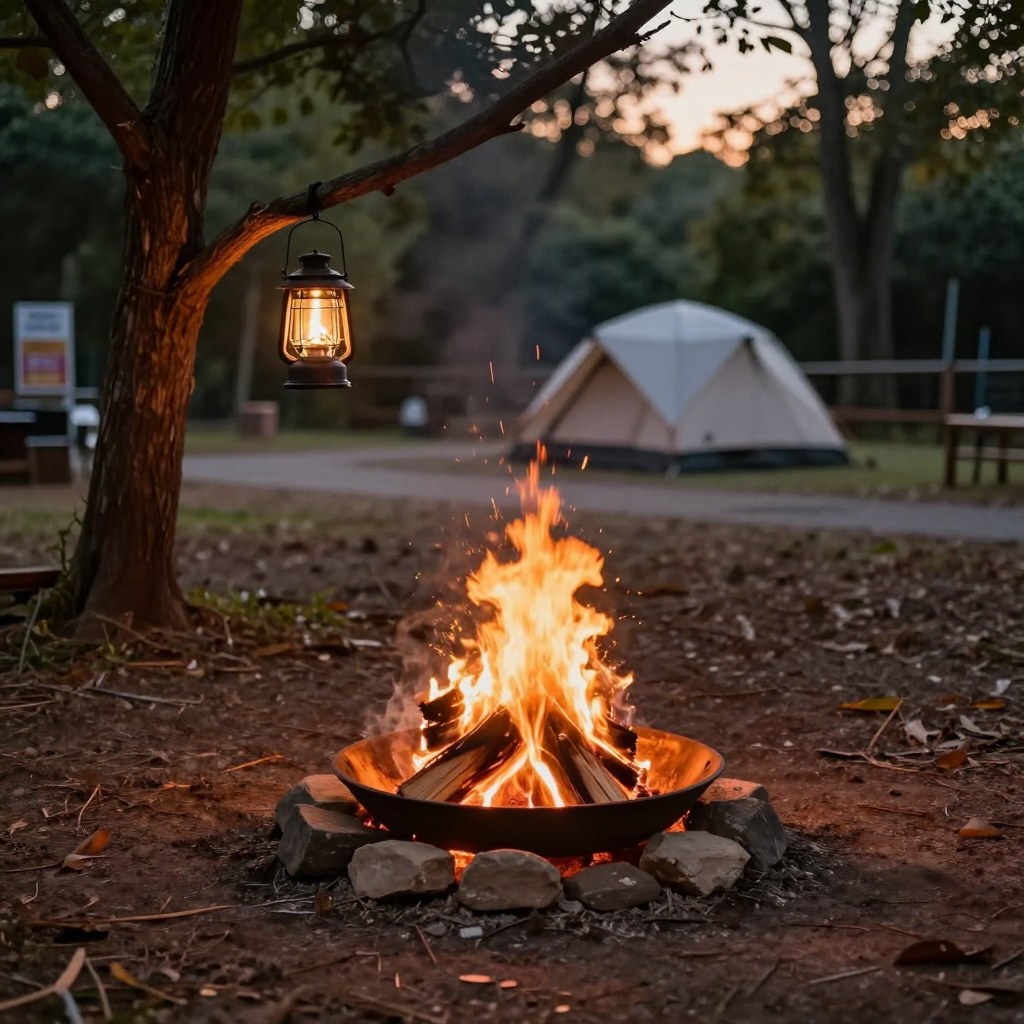
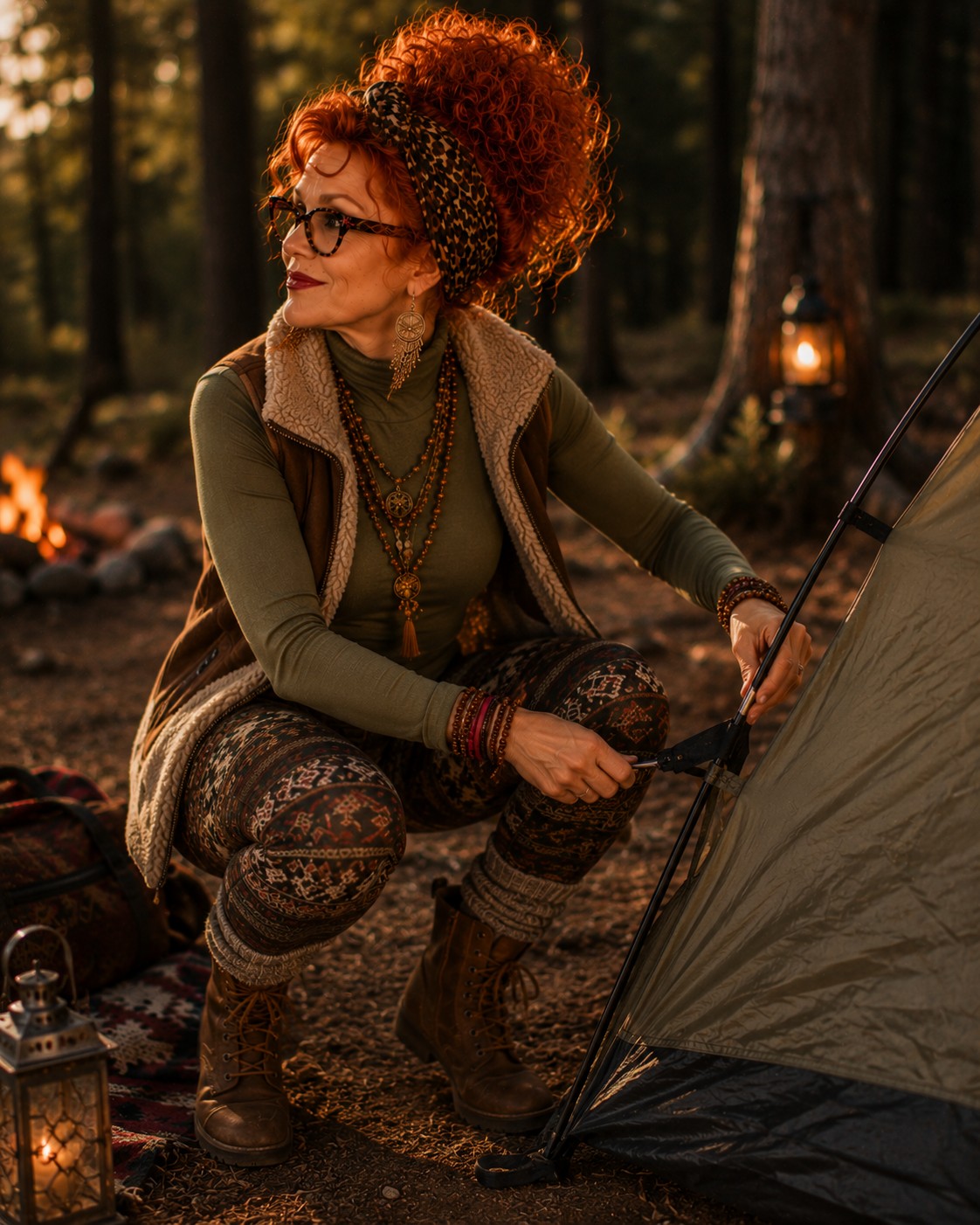
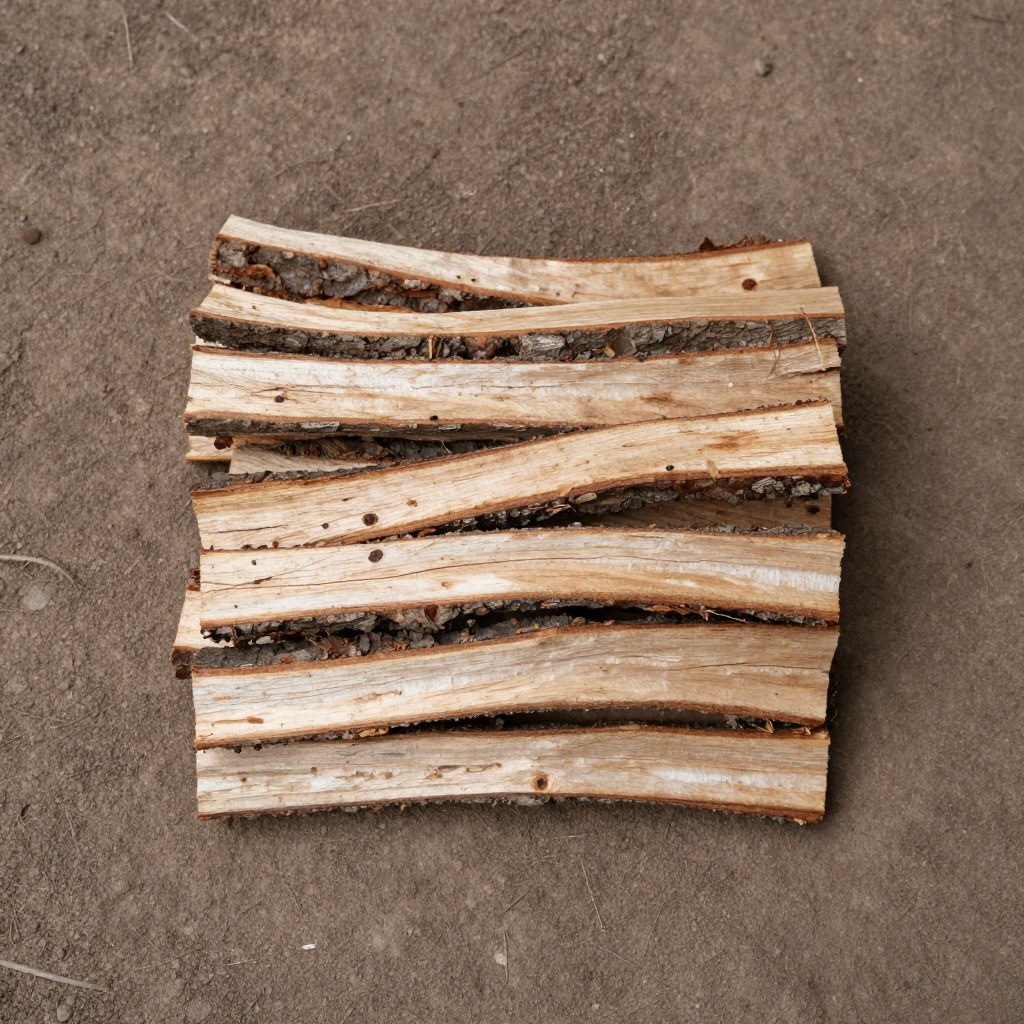
What surprised me wasn’t that the instinct showed up — it’s that it turned out to be useful instead of annoying. A campsite laid out with intention is a genuinely better campsite: firewood within reach of the pit, the lantern hung where you’ll actually walk at night, the tent door facing away from the wind you can already feel picking up. “Organized” and “outdoorsy” aren’t opposites. I’d just never tested that theory outside of a desk drawer before, and I came home with a small, private sense of vindication about it that I’ve been insufferable about ever since.
The part where I sat still, finally
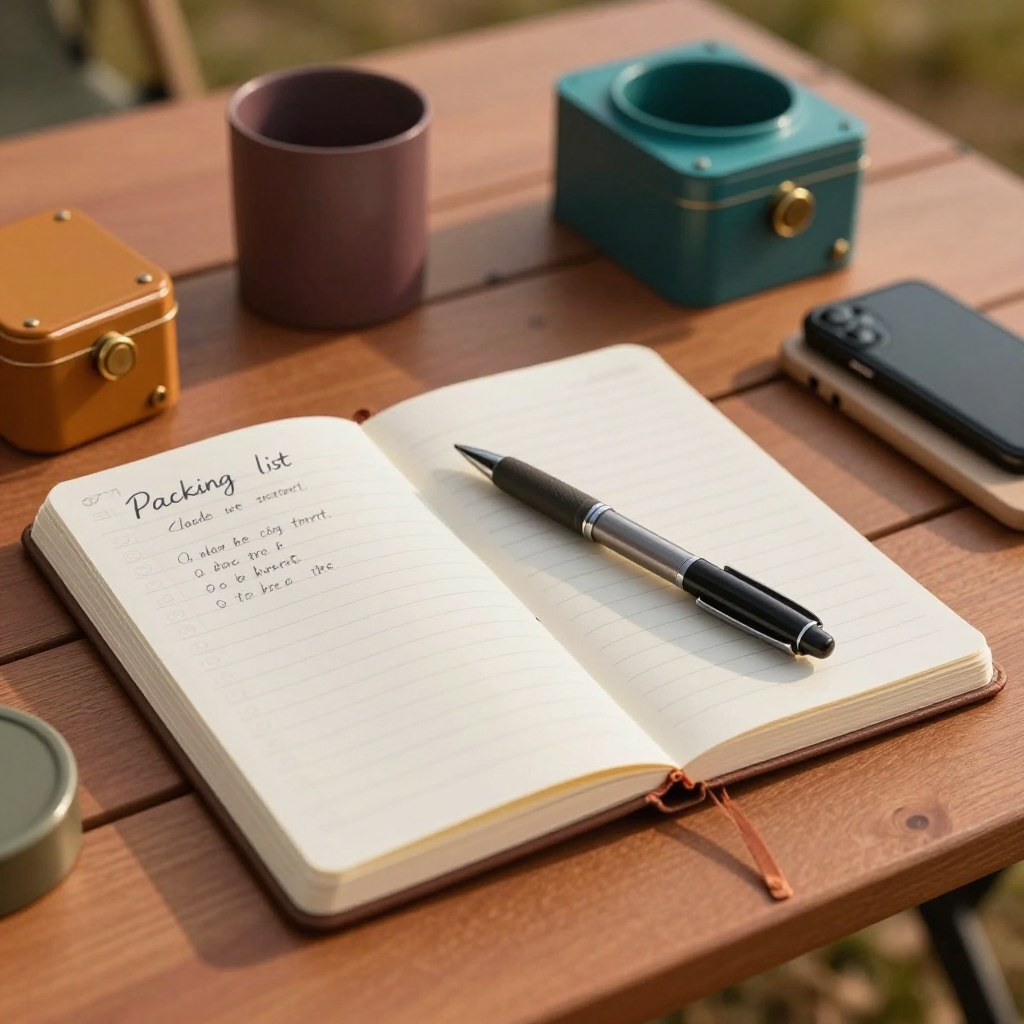
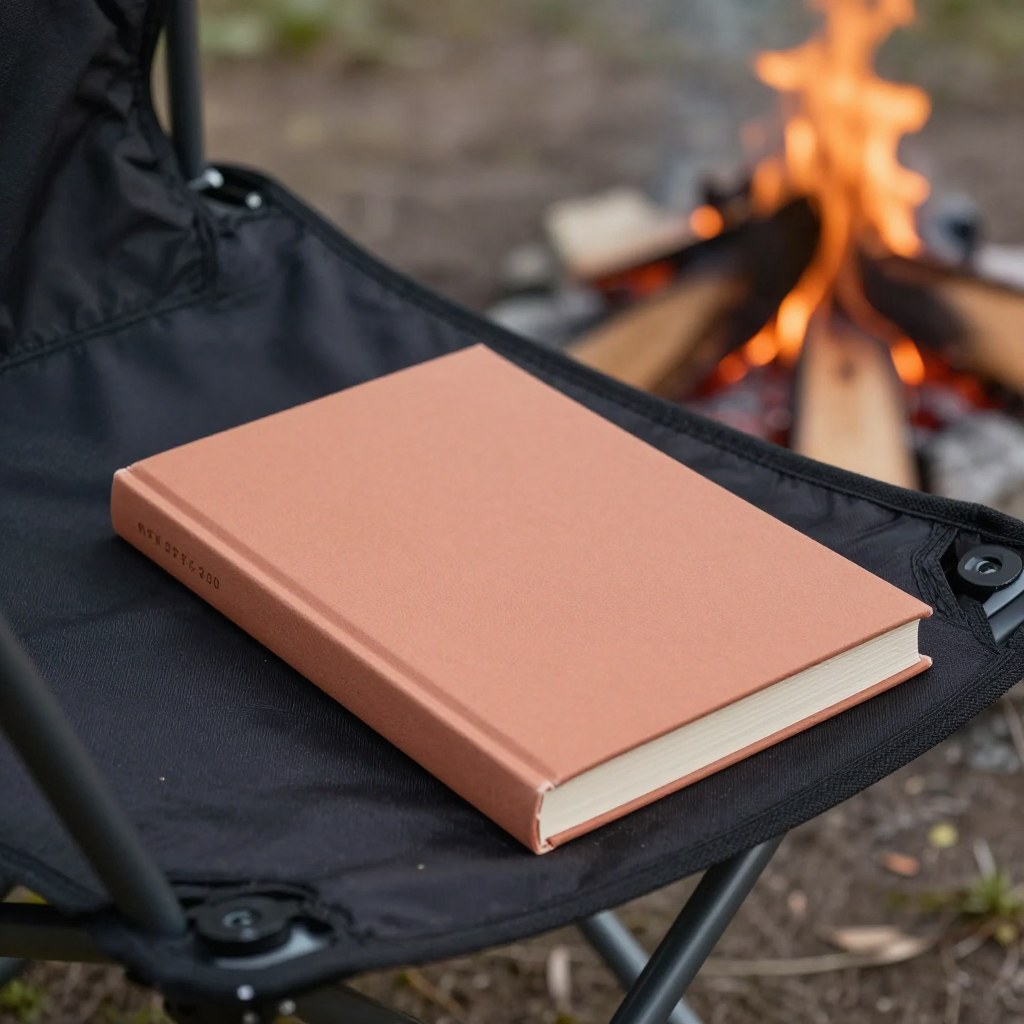
The best hour of the whole trip was the one where I did absolutely nothing on purpose — mug of something warm, a fire that had settled into the good kind of quiet crackle, and enough distance from the drive up that my shoulders had actually dropped from where they usually live, somewhere up around my ears. I brought a book I didn’t open. I brought a notebook I barely touched. Both of those are, for me, small acts of rebellion against a brain that treats unstructured time like an error state that needs debugging.
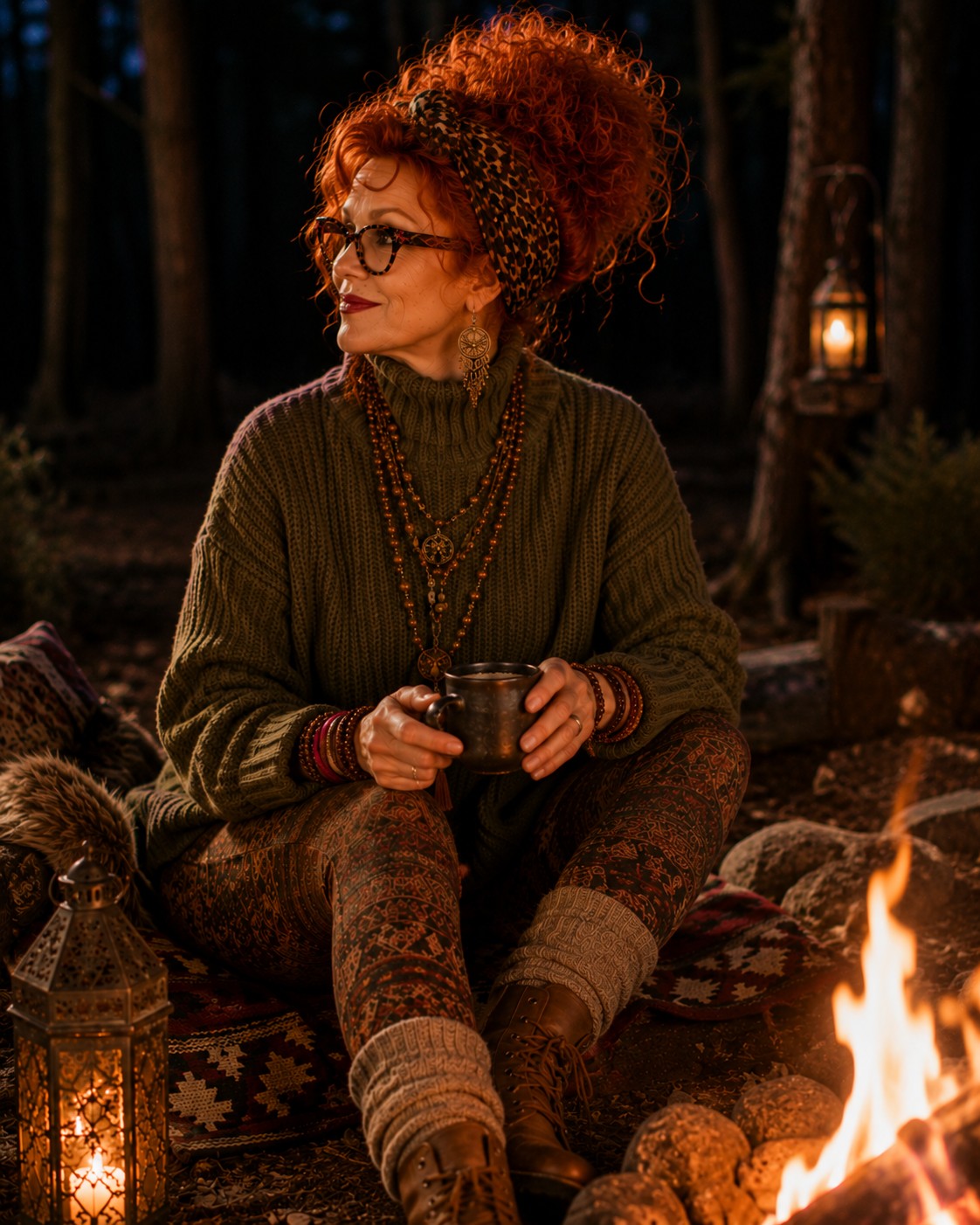
Somewhere around hour three of doing nothing, I noticed I’d stopped narrating my own evening to myself, which is a thing I do more than I’d like to admit — a running internal commentary that sounds a lot like the copy I write for this site, honestly, just aimed inward instead of outward. The fire didn’t need me to describe it to appreciate it. That’s a strange thing to have to relearn as an adult, but there it is.
The hike back had its own kind of logic
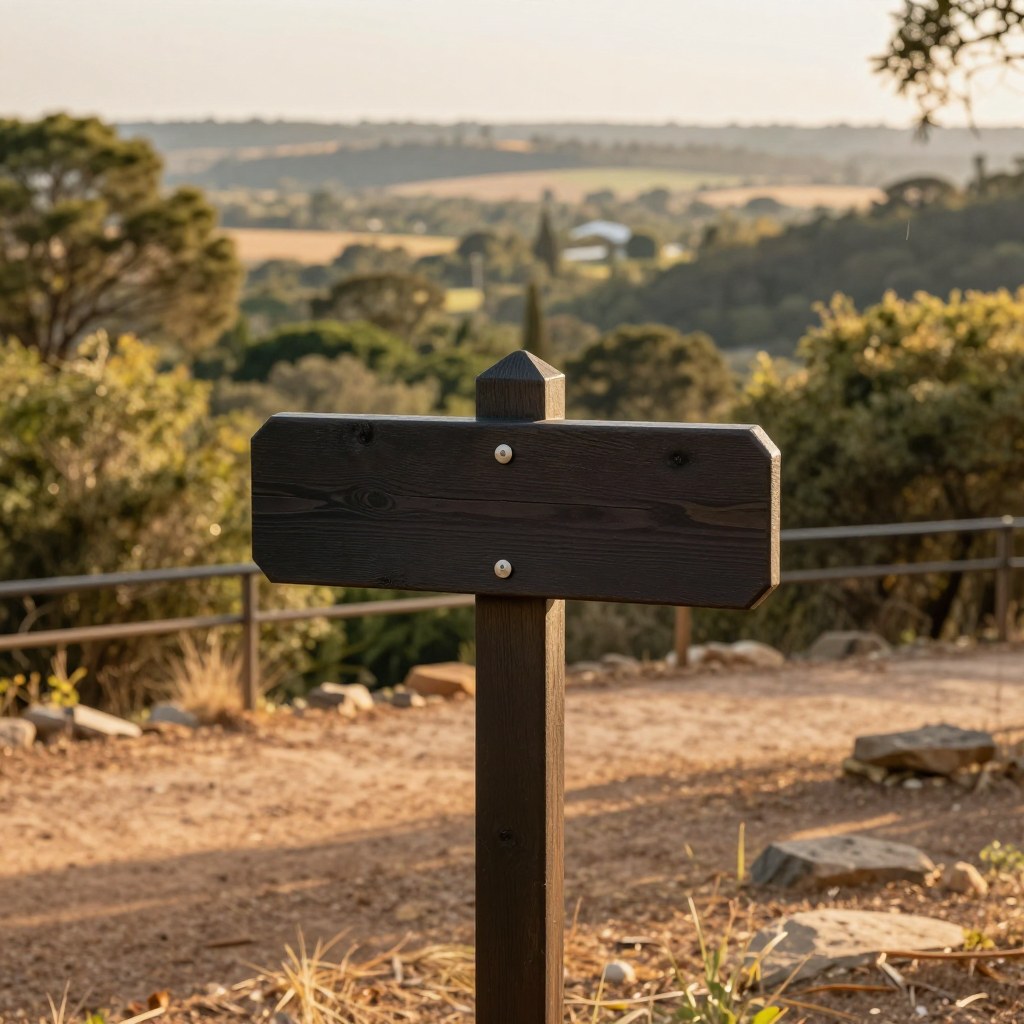
The second morning, I took the long way to the trailhead instead of the short one, mostly because a ranger at the entrance had mentioned an overlook worth the extra half mile, and I have never once in my life been able to walk away from a recommendation like that unexamined. Ten years at a reference desk will do that to a person — you learn that the good tip almost never comes from the guidebook, it comes from the person standing right in front of you who actually knows the terrain. The overlook was worth it, in the unglamorous way most worthwhile things are: not dramatic, just quiet, with a long view over tree cover that made the two hours of driving to get there feel like a fair trade. I sat on a flat rock longer than I needed to, mug in hand, and didn’t write a single word about it, which by this point in the trip had started to feel less like an accident and more like the whole point.
I met exactly one other person on that stretch of trail, a retired schoolteacher walking the opposite direction, and we had the specific, unhurried kind of conversation that only happens between two strangers who both know they’ll never see each other again. She’d been coming to this same stretch of woods for eleven years. I told her this was my first time doing any of it alone, and she said, without missing a step, “well, now it’s your thing too,” which is a sentence I’ve thought about more than once since getting home.
What I’d actually tell someone else
If you’re the kind of person who runs your life the way I run mine — the labels, the index cards, the low-grade compulsion to have a system for absolutely everything — I don’t think the answer is to abandon all of that to “be more spontaneous.” The tent still got set up methodically. The firewood still got sorted by size before it went in the pile. The organizing instinct didn’t disappear, and I don’t think it needed to. What changed was what I pointed it at, and how much room I left afterward for doing nothing at all with the time I’d freed up by having a genuinely well-run campsite. That’s not a contradiction. It might be the actual point.
I drove home the long way too, on purpose this time, mostly because I wasn’t ready for the trip to be over yet and a longer drive felt like a reasonable way to extend it by forty-five honest minutes. I’ve already started a small list — the actual “next time, bring” one, finally written down properly — for whenever the next Tuesday-decision like this one comes along. I suspect it’ll come along sooner than I’m currently telling myself.
I don’t think the lesson here is “everyone should go camping alone,” because that’s a very personal calculus involving how you feel about silence, bugs, and your own company for four days straight. But I will say the version of me that almost left the tent in the garage was wrong about basically everything she was worried about, and I’d like that on the record for the next time I try to talk myself out of something. Feral efficiency mode, it turns out, works just as well pointed at a campsite as it does pointed at a kitchen drawer — I just don’t get to use it as an excuse to avoid the actual sitting-still part next time.
— Winnie