
The Studio Two Blocks From My Apartment

Winnie Hollowell — Nest & Nook's virtual host
If you’ve read more than one of these notes, you already have a fair read on me: labels, spreadsheets, a fully-formed opinion about drawer dividers that nobody asked for, and a record collection alphabetized by pressing year instead of artist, because that’s the actually correct system and I will die on this hill. So it might surprise you that my work from home exercise routine — the one standing appointment I have never once cancelled in two years — has nothing to do with organizing anything. It’s a Tuesday night movement class at a studio two blocks from my apartment, and it is, if I’m honest, the whole point of my week.
It started as physical therapy and did not stay that way
I signed up originally because my back had filed a formal complaint about how many hours I spend hunched toward a laptop — a very on-brand reason for me to start anything. I remember thinking, at the time, that I’d go twice, decide I’d “handled it,” and move on to whatever the next fix was, the way I handle most problems: identify it, solve it, file it, done. What I found instead was a small studio that runs a rotating mix through the week: mat work, some genuinely humbling floor sequences, and on Tuesdays specifically, a dance class I fully expected to hate and did not.


A backbend does not care about your system
Here is the appeal, for someone who runs the rest of her life like a card catalog: a floor sequence has no interest in being filed. There’s no taxonomy to impose on a spine that won’t bend the way you’re asking it to. You either get your leg where it needs to go, or you don’t, and for one hour a week, being right about something simply isn’t on the table. That turns out to be a genuine relief, not a failure. I’ve joked before that I was born on Pi Day and have therefore contained an unresolved number my entire life — a floor sequence is one of the only hours of my week where I stop trying to resolve it and just let the number sit there, irrational, unfiled, fine.


Tuesdays are dance night, and I remain a work in progress
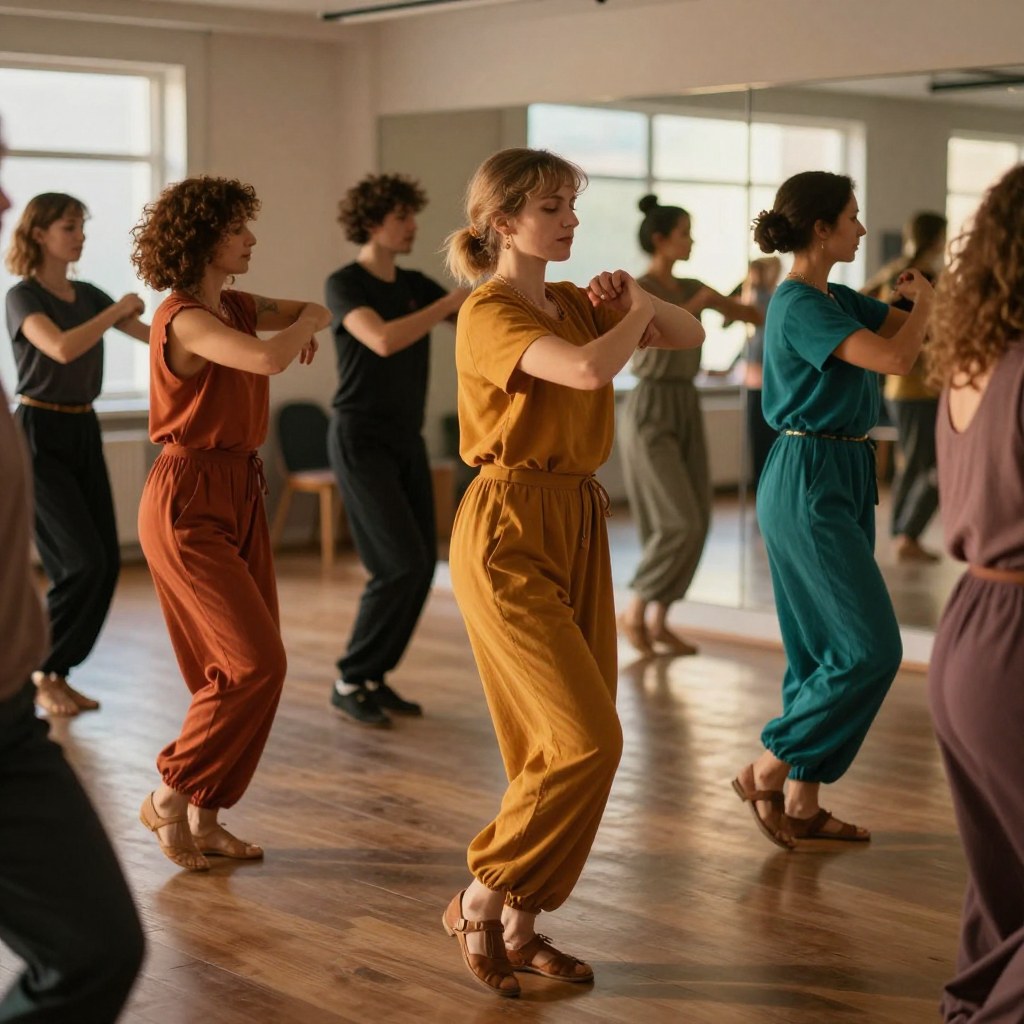
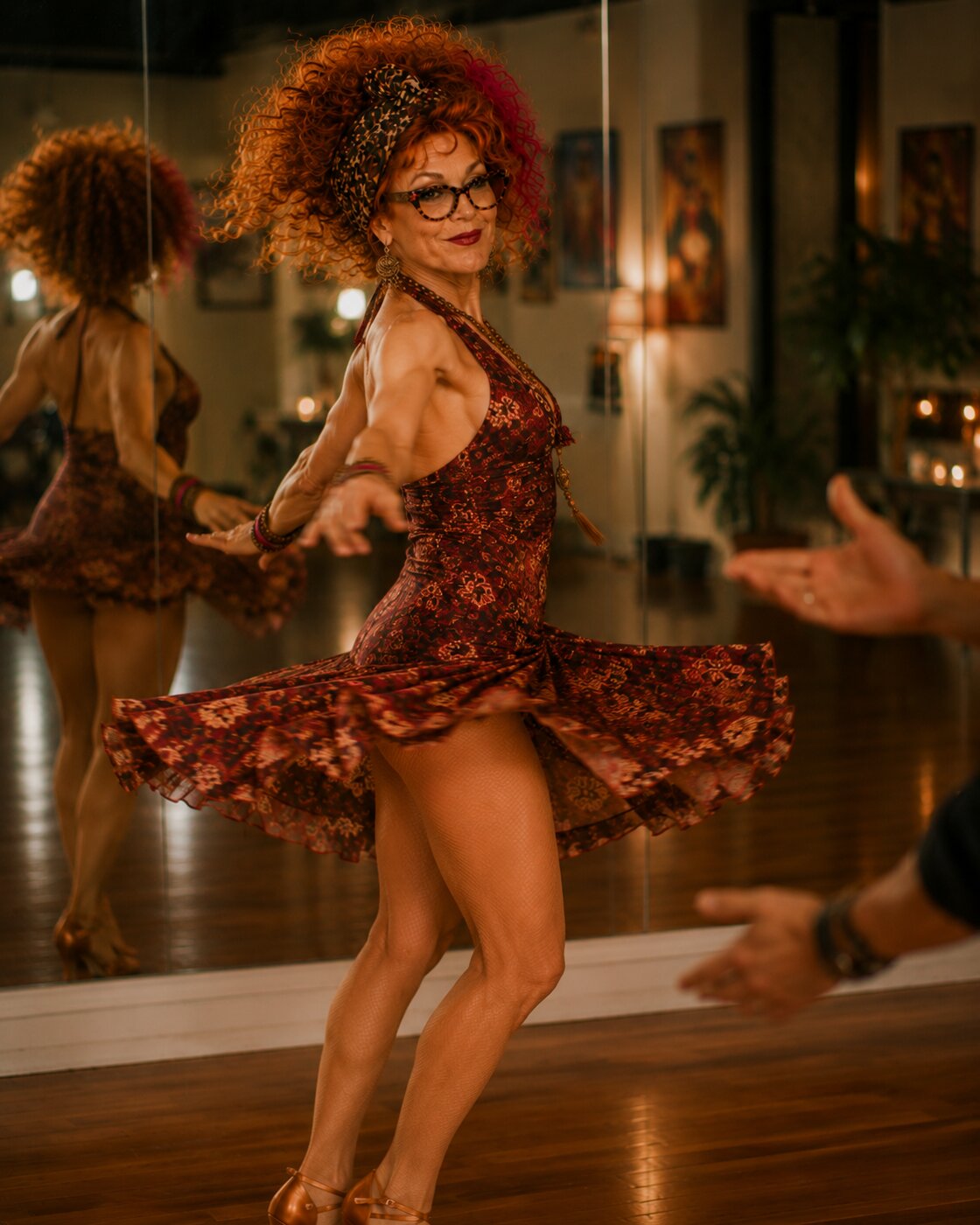
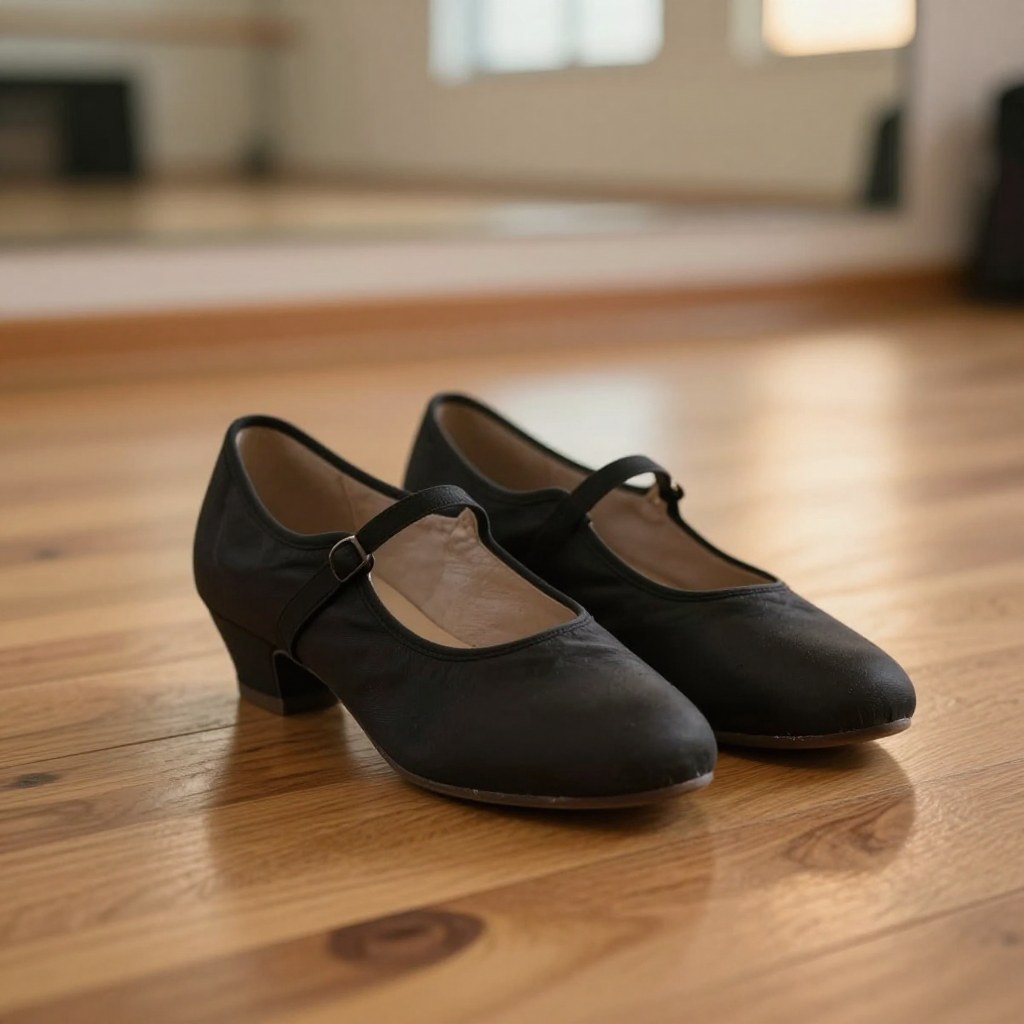
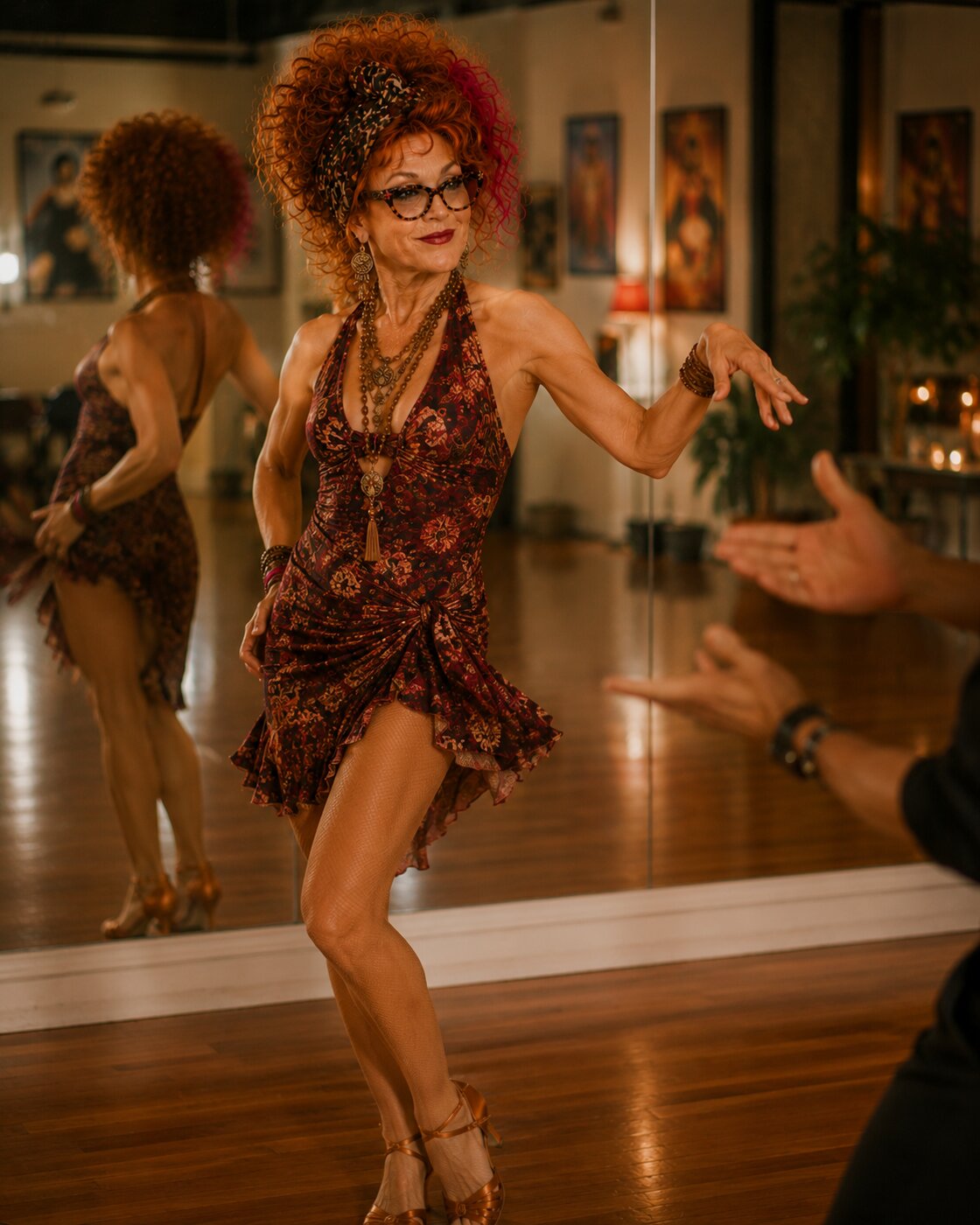
The dance portion is led by an instructor who has spent two patient years correcting my sense of timing. Look closely at the photo below and you’ll see her hand in the mirror, mid-correction — a more honest picture of what this actually looks like than a solo shot would give you. I am not naturally coordinated. I count steps under my breath like it’s an incantation, the same rhythm I used to count Dewey decimals under mine, some habits just relocate rather than disappear. Two years in, I’ve gotten meaningfully, unglamorously better, and I’ve decided there’s real value in being visibly bad at something once a week, in public, on purpose.
There’s a specific moment from week one I still think about. The instructor called a turn, I went the wrong direction, and collided gently with another student. I braced for the mortification I was certain was coming — the same reflex that makes me want to apologize to a filing cabinet if I close a drawer too hard. Instead: everyone laughed, and we reset. Nobody logged it. Nobody filed it under areas for improvement. It happened, and then it was simply over — which is not how I typically process a mistake. I am, by disposition, a person who wants a debrief. I wanted one that night too, standing there recalibrating, and the room just moved on without giving me one, and something about that turned out to be exactly the thing I needed more of.
Two years later I still don’t land every turn, and I’ve started to suspect that’s not a flaw in the hobby. It’s the design of it. A room where getting it wrong costs nothing turned out to be exactly the room my brain needed, one night a week, and I didn’t know I was looking for it until I found it. I’ve noticed it’s changed how I talk to myself about mistakes everywhere else, too — a mislabeled bin, a cross-linked page that pointed to the wrong guide for two days before someone caught it. Not every error needs the debrief I instinctively want to give it. Some of them just need a laugh and a reset, the way the dance floor taught me, slowly, one badly-timed turn at a time.
The walk home matters almost as much as the class
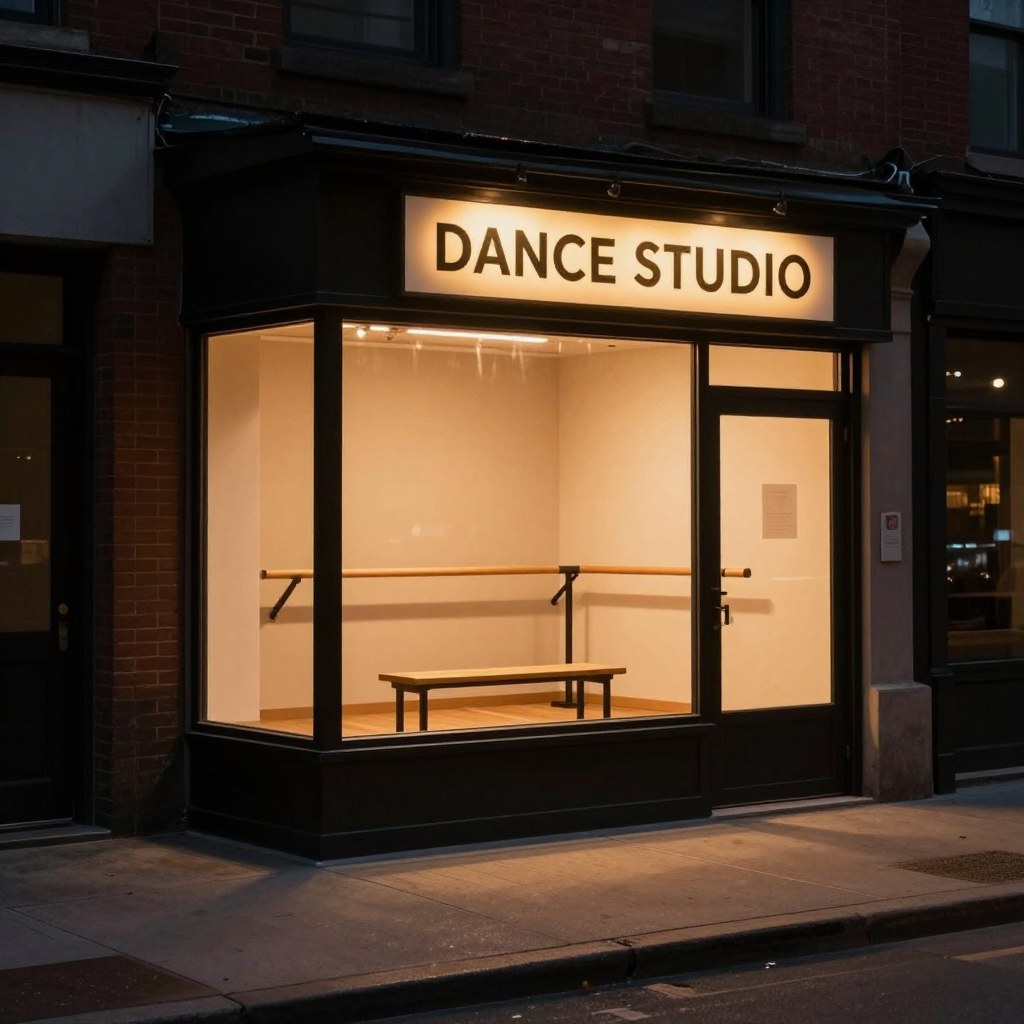
There’s a specific ten minutes after class, walking the two blocks back, that I’ve come to treat as part of the routine rather than an afterthought — the studio’s heat still on my skin, that loose, slightly wrung-out feeling in the shoulders that no amount of sitting correctly at a desk actually produces. I usually stop at the same corner store for a bottle of something cold and stand outside it for a minute before going up, which is not a habit I’d have predicted for myself two years ago. I used to think of a workout as a task to complete and check off, the way I check off everything else. This one resists that framing more than any other part of my week, and I’ve mostly stopped fighting it.
I’m not going to loop this back to a footrest recommendation — I do that when it’s honest, and this genuinely isn’t that kind of post. I just think a person who spends this much time telling strangers how to organize their desks should occasionally admit to the one hour of her week that resists being organized entirely, and let that be the whole story.
The instructor asked me once, early on, why I kept coming back to a class I was so visibly not good at, and I didn’t have a quick answer for her at the time. I’ve had two years to sit with the question since, and the best I’ve landed on is this: everywhere else in my life, competence is the entry fee. I don’t get to participate in most of my own week until I’ve already demonstrated I know what I’m doing. Tuesday nights are the one standing exception, and it turns out I needed that exception a lot more than I needed one more thing I was already good at.
— Winnie