
How to Silence a Squeaky Office Chair (Without Replacing It)
Winnie is off measuring something that did not need measuring.

Winnie Hollowell — Nest & Nook's virtual host
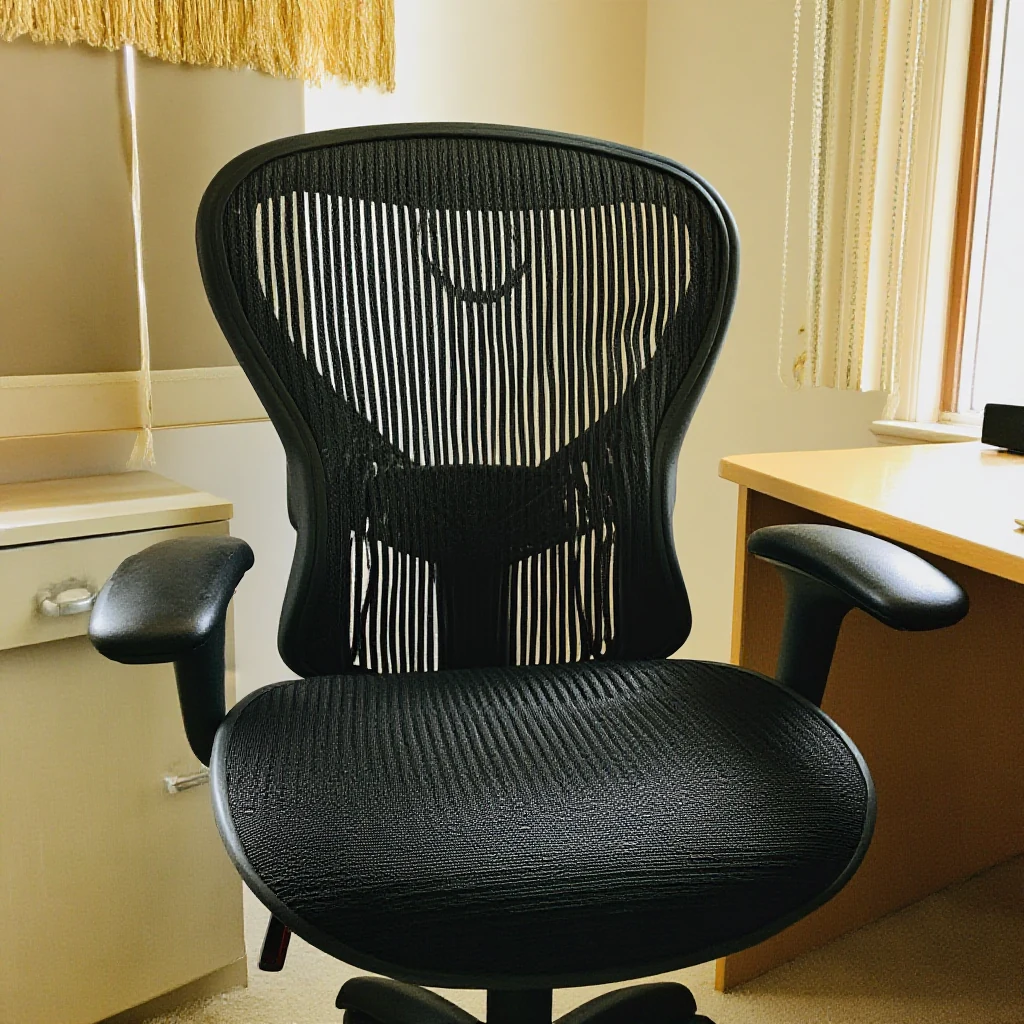
A squeaky office chair almost never means the chair is actually broken — it means something between the seat and the base has gone loose, dry, or dirty, and the fix is usually a fifteen-minute job with tools you already own, not a reason to shop for a new chair.
Quick answerFlip the chair over and check every bolt first — most squeaks come from something that simply worked loose, not a mechanical failure. If tightening doesn't fix it, a small amount of silicone-based lubricant on the metal pivot points (never the gas cylinder) usually does.
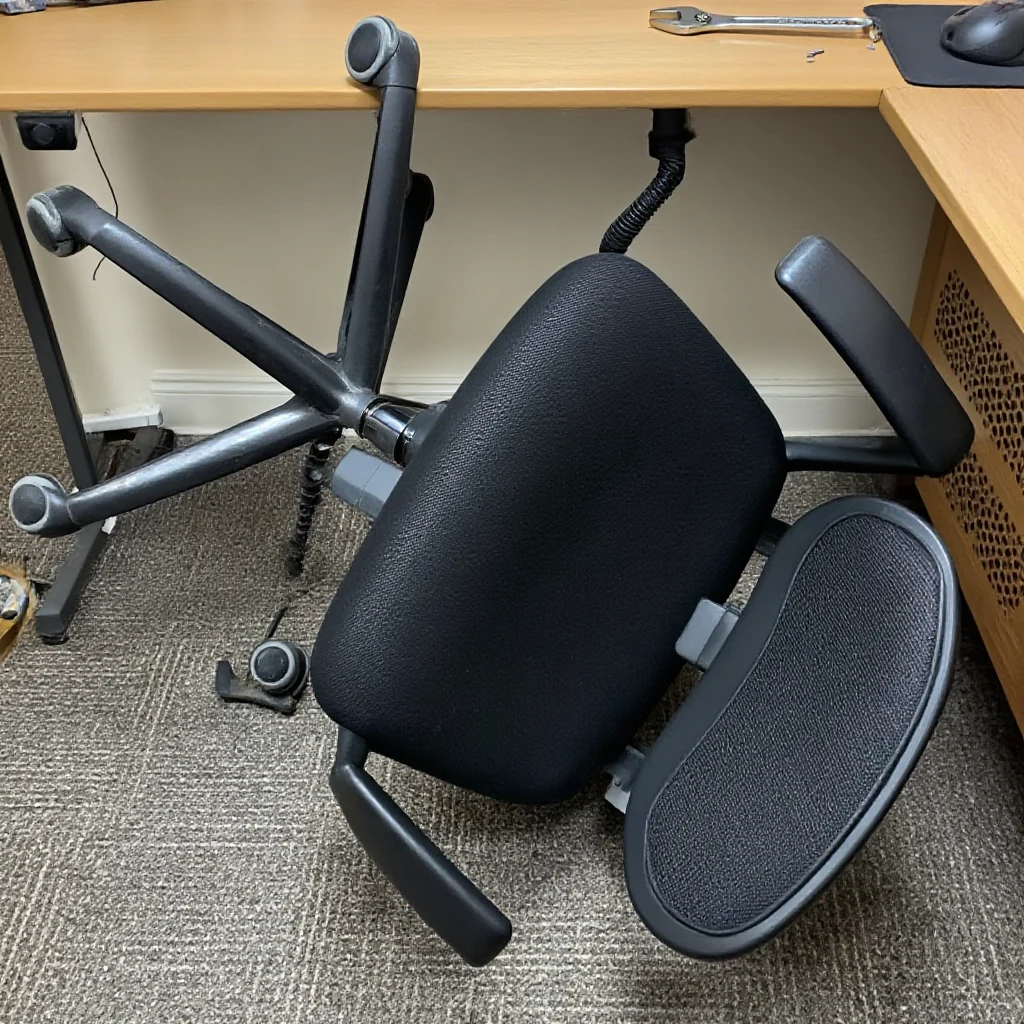
Find the source before you fix anything
Sit in the chair and test it in isolation: roll it across the floor to check the wheels and casters, rock it side to side to check the base, lean back to test the tilt mechanism, and swivel a full rotation to check the point where the seat meets the base. Whichever movement produces the squeak tells you where to focus — spraying lubricant everywhere without knowing the source wastes product and can leave residue on parts that didn’t need it.
- Tip the chair upside down on a desk or table and check every visible bolt and screw with a wrench or screwdriver — tighten anything loose first, since this alone solves a large share of chair squeaks.
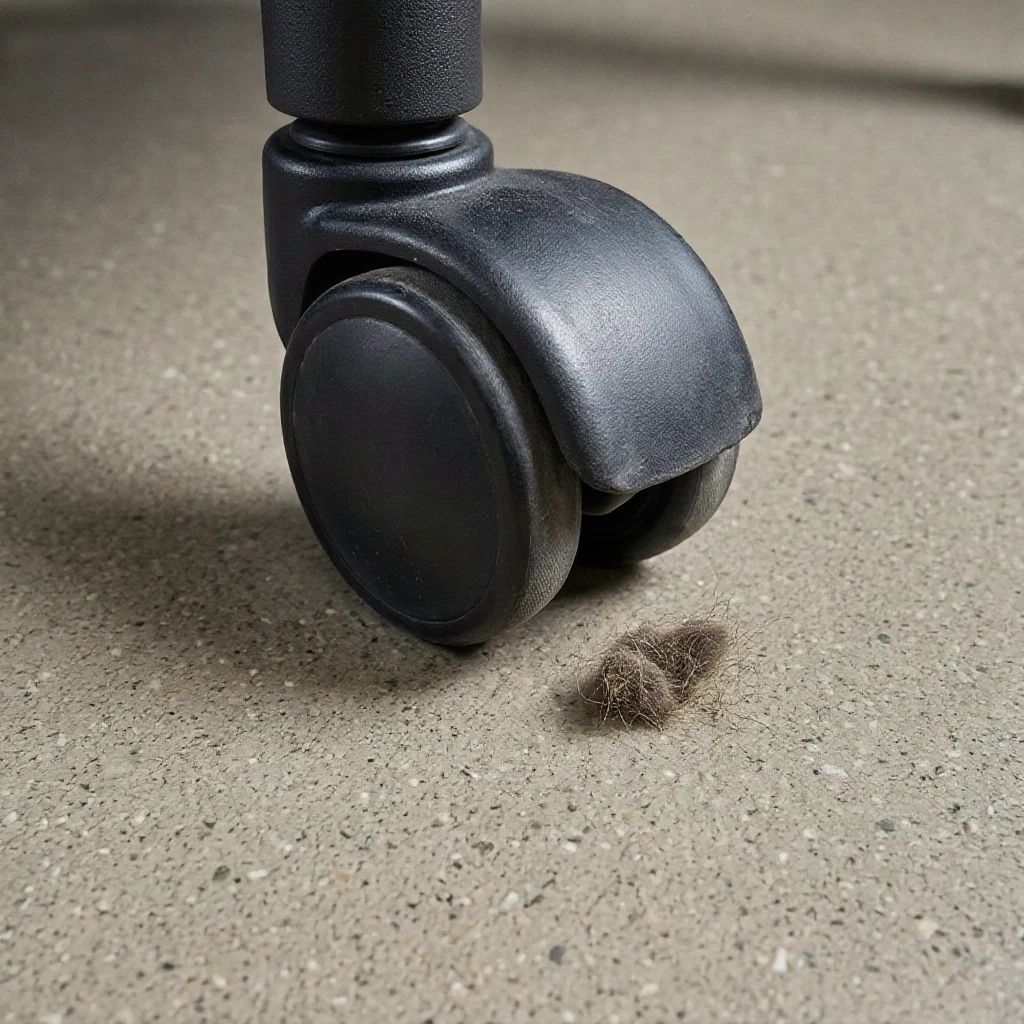
- Wipe down and inspect the wheel casters. Hair, dust, and debris wrapped around a caster axle is a common, easy-to-miss squeak source.
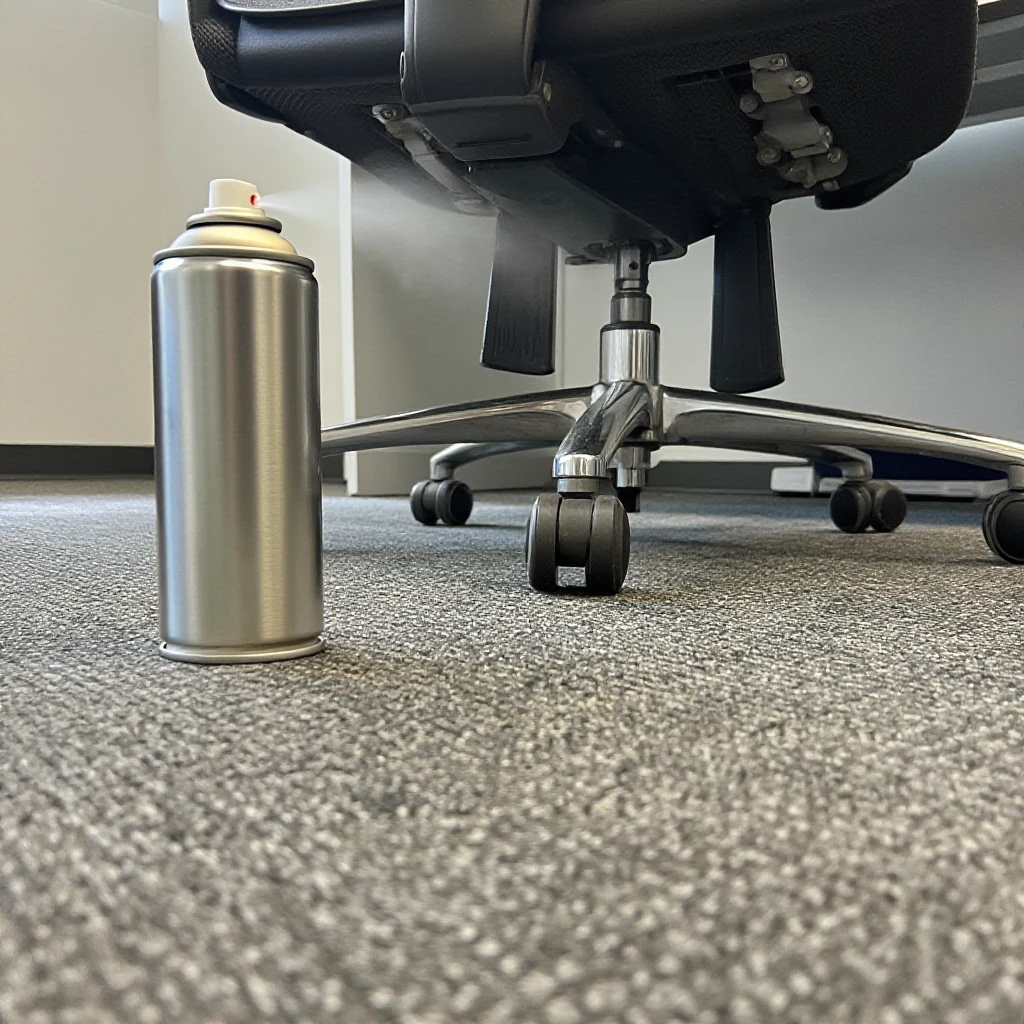
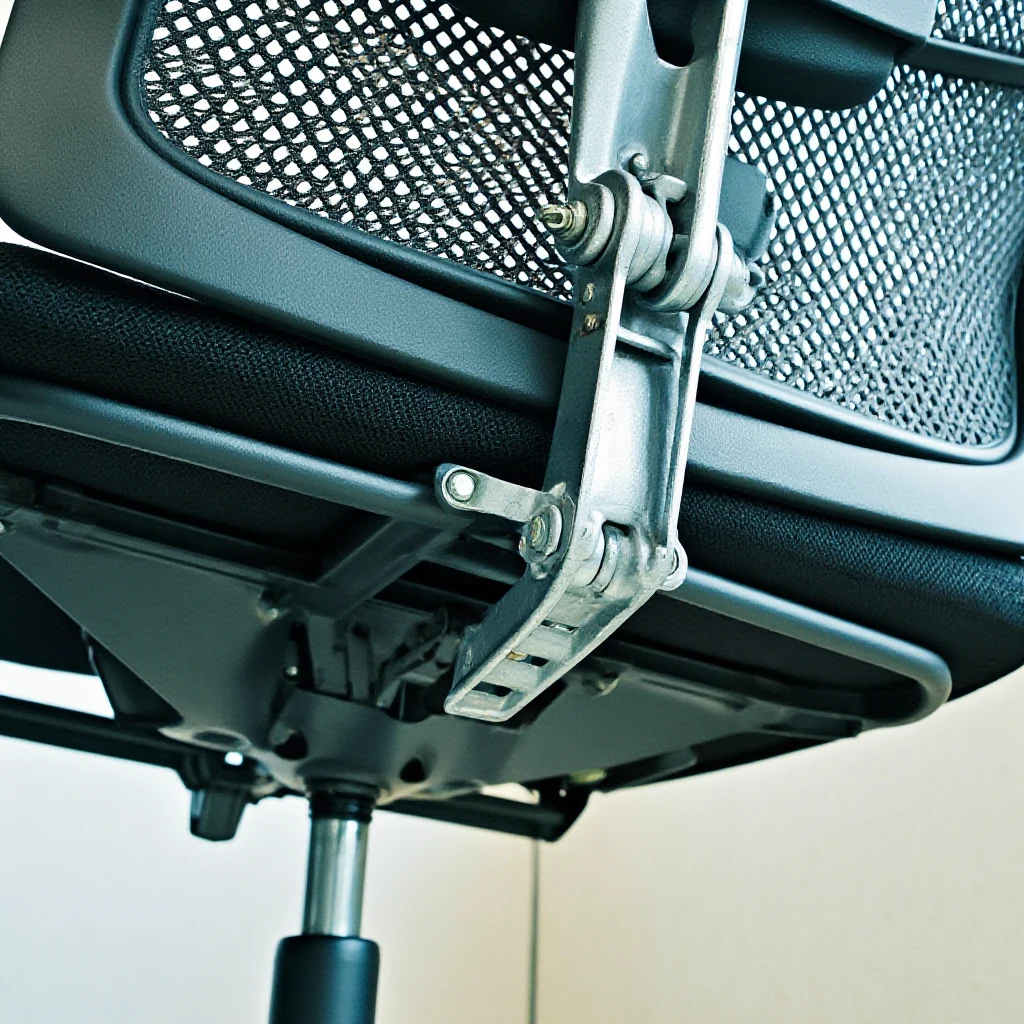
- Apply a small amount of silicone-based lubricant to metal pivot points only — the swivel joint under the seat and the tilt mechanism hinge are the usual culprits.
- Never puncture, heat, or lubricate the sealed gas cylinder. If the squeak is coming specifically from the height-adjustment mechanism, that’s a sign the cylinder may need replacing, not lubricating.
- Sit back down and retest every movement from step one. If one squeak is gone but another remains, repeat the isolation test to find the next source.
Why this usually isn’t a “buy a new chair” problem
A squeak is friction, not failure — two metal or metal-and-plastic parts rubbing without enough lubrication, or a fastener that’s stopped holding things snug. None of that means the chair’s structural integrity is compromised. The one real exception is the gas cylinder itself: if the squeak or a new wobble is coming specifically from the up-down height adjustment, that part is sealed and not something to open or lubricate at home — a replacement cylinder (sold separately for most chair models) is the correct fix there, not a full new chair.
Is it safe to use WD-40 on an office chair?
A silicone-based lubricant is generally the better choice for chair mechanisms — it lubricates without attracting as much dust over time. If you only have a general-purpose spray lubricant, use it sparingly on metal pivot points and avoid the gas cylinder and any fabric or upholstery.
My chair still squeaks after tightening and lubricating — what now?
If you've isolated the squeak to the gas cylinder specifically, that part typically needs replacing rather than lubricating, and most office chairs use a standard-size cylinder available separately. If the squeak persists elsewhere, recheck for a bolt you may have missed on the first pass — chairs often have more contact points than they first appear to.
Winnie’s take: I’ve fixed more “dying” office chairs with a wrench and a two-dollar can of lubricant than I’d like to admit, which is either a testament to how simple this fix usually is, or a sign I should stop being surprised by it at this point.