
I Broke In New Hiking Boots on the Worst Possible Trail
Somewhere, Winnie is rearranging a shelf that was already fine.

Winnie Hollowell — Nest & Nook's virtual host
The boots arrived on a Tuesday and went straight onto a trail for the first time the following Saturday, which is the exact sequence every single hiking guide I have ever read tells you not to do, and which I did anyway because the boots looked so correct sitting by the door that I convinced myself correctness and readiness were the same thing. They are not the same thing. I found this out around mile four, on a stretch of trail with no shortcut back, in a pair of boots that had never once bent at the ball of the foot before that morning.
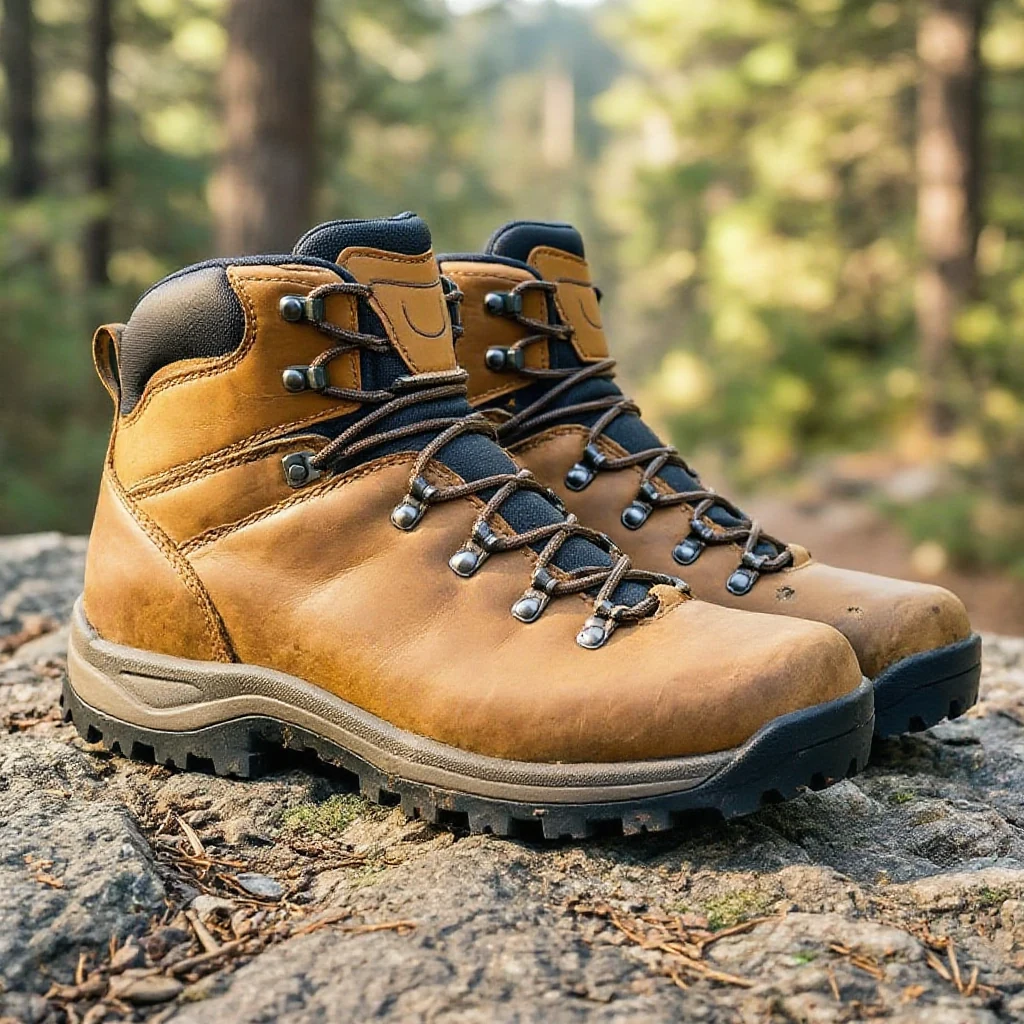
The mistake was buying “correct,” not “broken in”
I did the research. I read the reviews, checked the ankle support, matched the tread to the terrain — every part of the decision that happens before you own the thing, I did properly. What I skipped was the part that happens after you own it: walking around the house in them, wearing them on a short flat walk, giving the leather and my own feet a chance to negotiate before either of us had anything at stake. A library reference desk teaches you that the good information is rarely the hard-to-find information — it’s the obvious step nobody tells you is a step. Break-in time is exactly that. Every guide mentions it. I filed it under “advice for someone less prepared than me,” which is a sentence I’m mildly embarrassed to have thought, let alone typed.
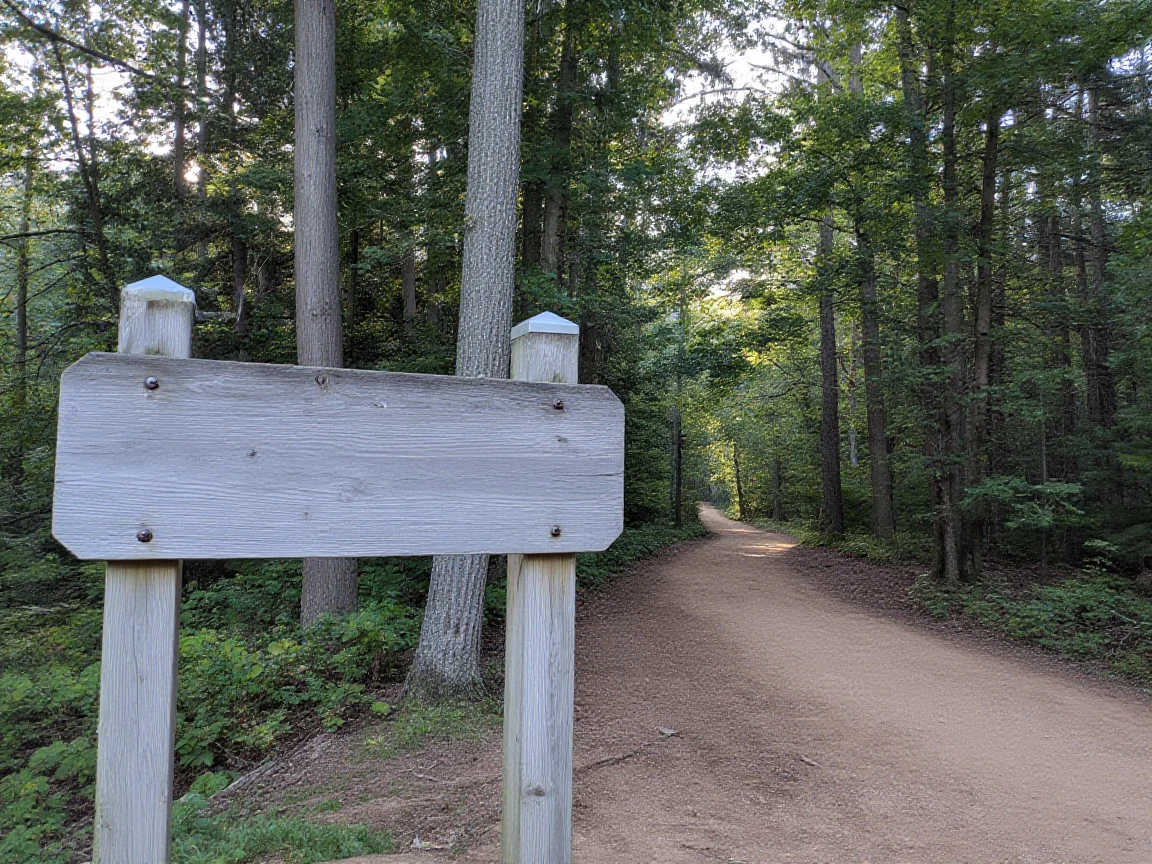
The blister showed up exactly where the guides said it would
Right heel, back of the ankle, the spot where a new boot hasn’t yet learned the shape of your foot and instead insists your foot learn the shape of it. I felt the hot-spot warning around mile two and did the thing every piece of advice tells you to do the moment you feel one — ignored it, because stopping felt like an overreaction two miles into a six-mile loop. By mile four it wasn’t a warning anymore. I sat on a trailside rock, peeled off a boot I’d been so pleased with three hours earlier, and had a short, unglamorous negotiation with a small first-aid kit I’d packed on autopilot and nearly hadn’t opened.
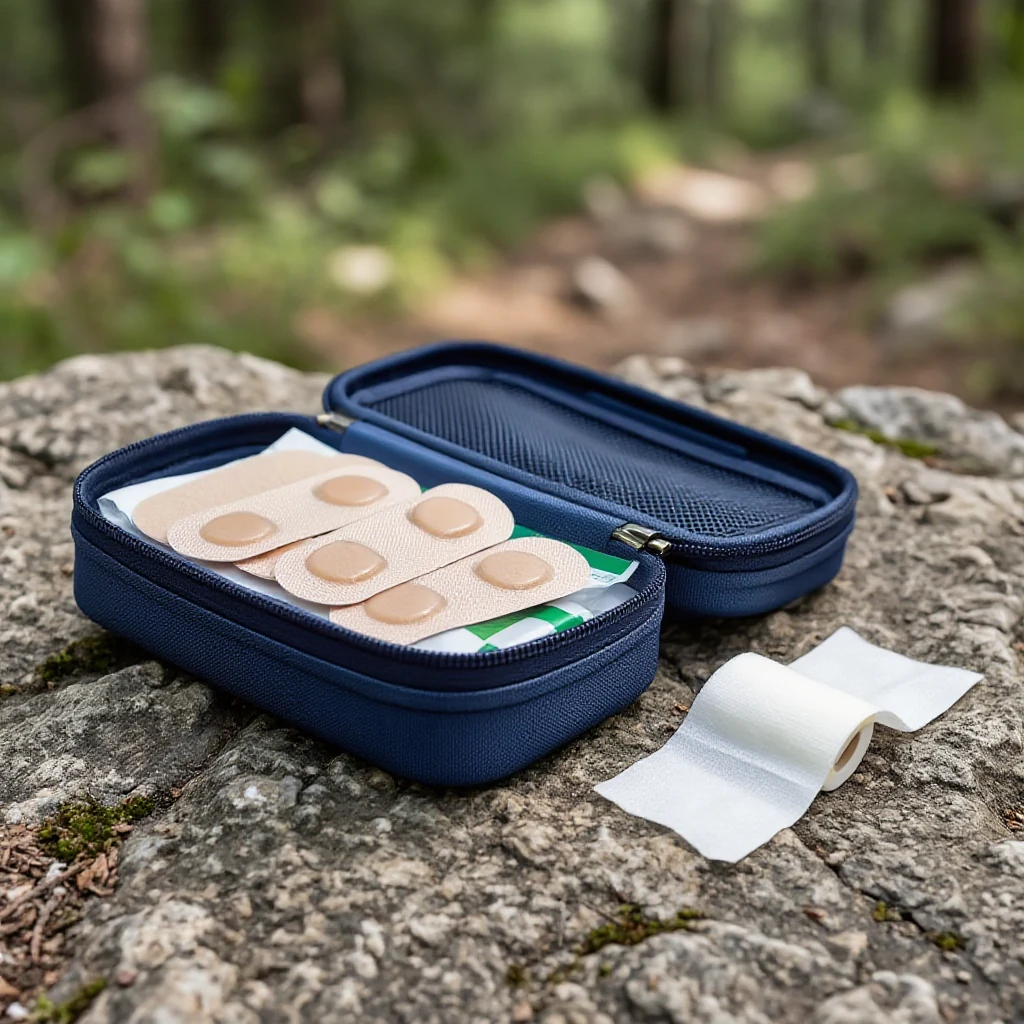
The moleskin pad and a strip of tape bought me the remaining two miles, and bought me them cleanly — no further damage, just a slightly slower pace and a much more honest relationship with my own boots. I’ve spent a decade telling other people that the unglamorous, boring step is usually the one that saves the day. I don’t love how directly this proved my own point.
What the view actually costs
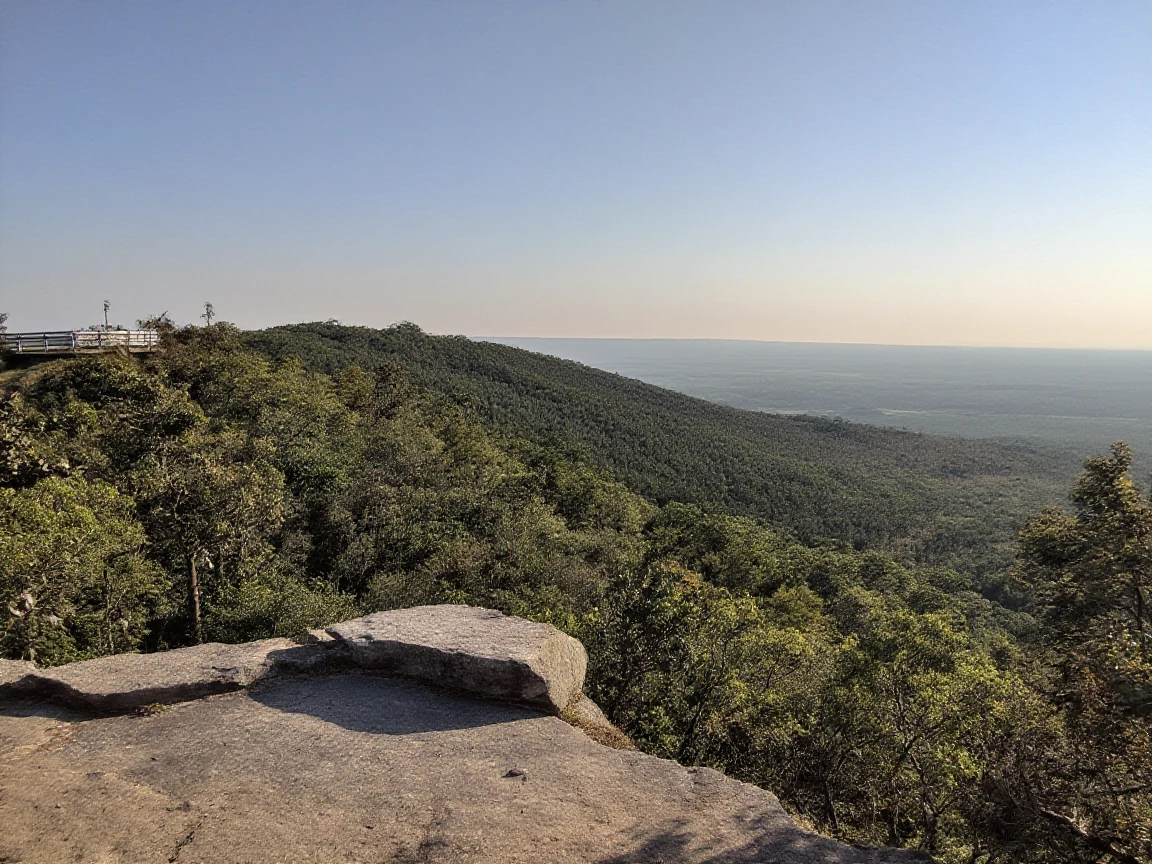
There’s a lookout about a mile past where I sat down and fixed myself up, and it was genuinely worth the trip — the kind of view that makes the sore heel feel like a fair trade rather than a mistake I’m still annoyed about. But I want to be honest about the actual mechanics of that trade, because “it was worth it” can quietly become “so the mistake didn’t matter,” and that’s not true. The mistake mattered. It just didn’t ruin the day, because a two-dollar pad and a strip of tape were sitting in my bag from a decision I’d made months ago and nearly reversed that same morning while repacking.
I wore the boots around the block twice this week, on purpose, before they go anywhere with actual mileage on the schedule. It’s a small, slightly late correction. I’d still rather be the person who learned this on a six-mile loop with a working first-aid kit than the person who learns it somewhere further from the car.
— Winnie